The realization dawned on me, rather embarrassingly late, that photography is all about light. Well, that’s not entirely true. Of course, I knew that photography is all about light, but it was late in the game when I realized that the response an image evokes in a viewer depends on the type of the light.
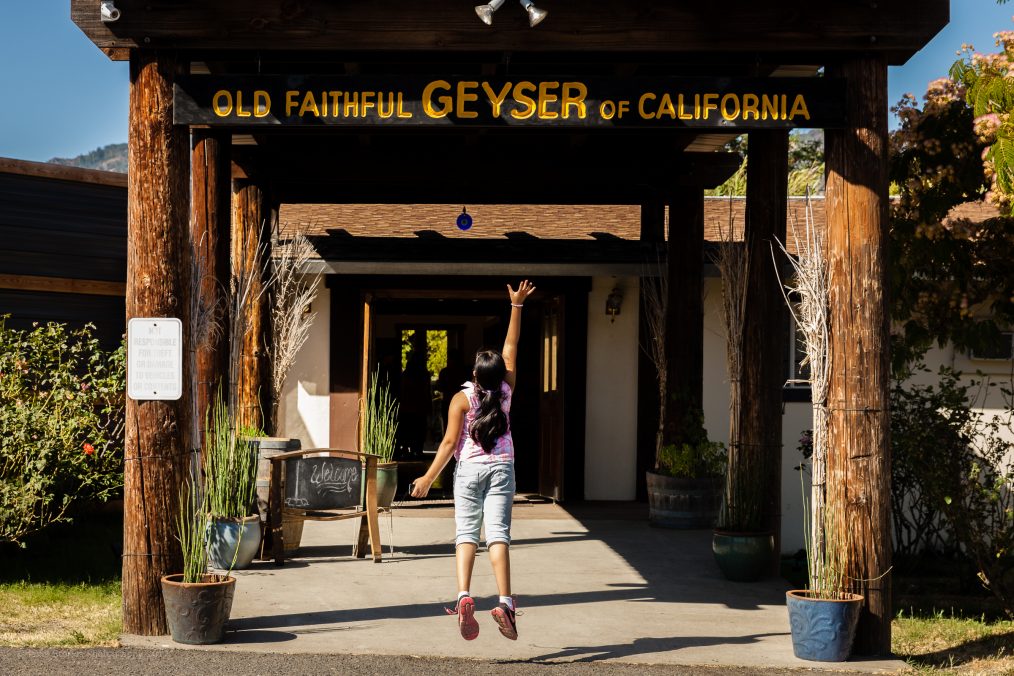
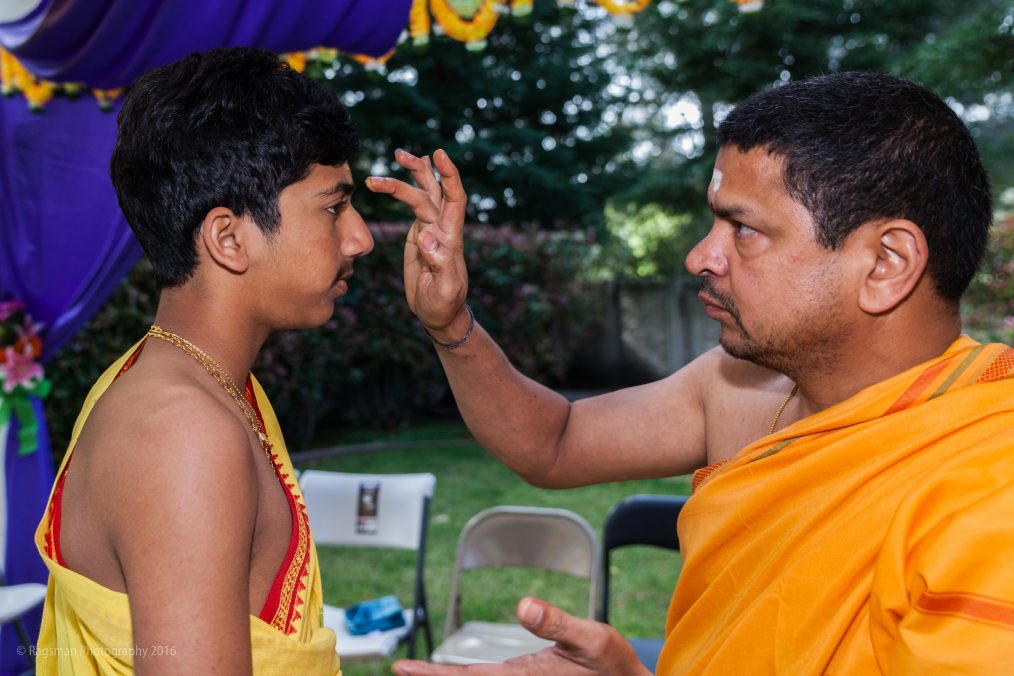
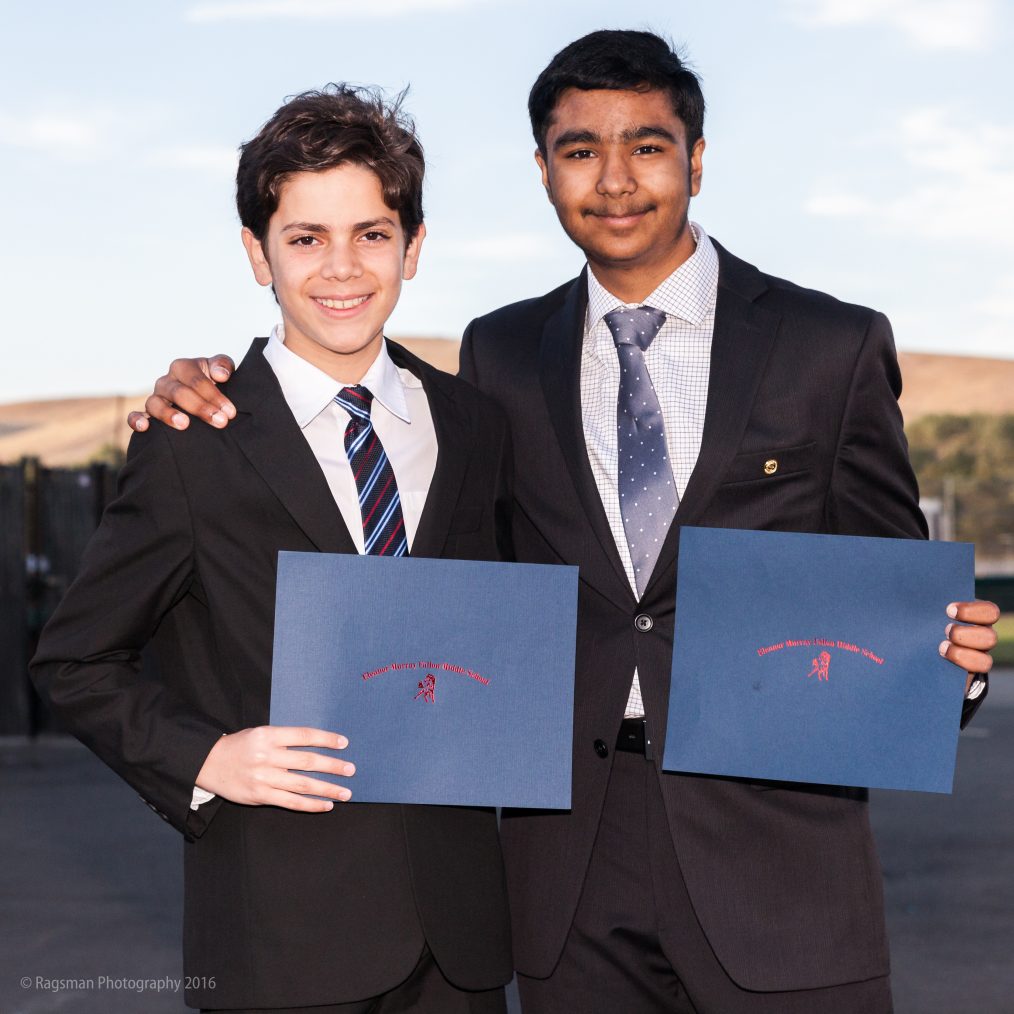
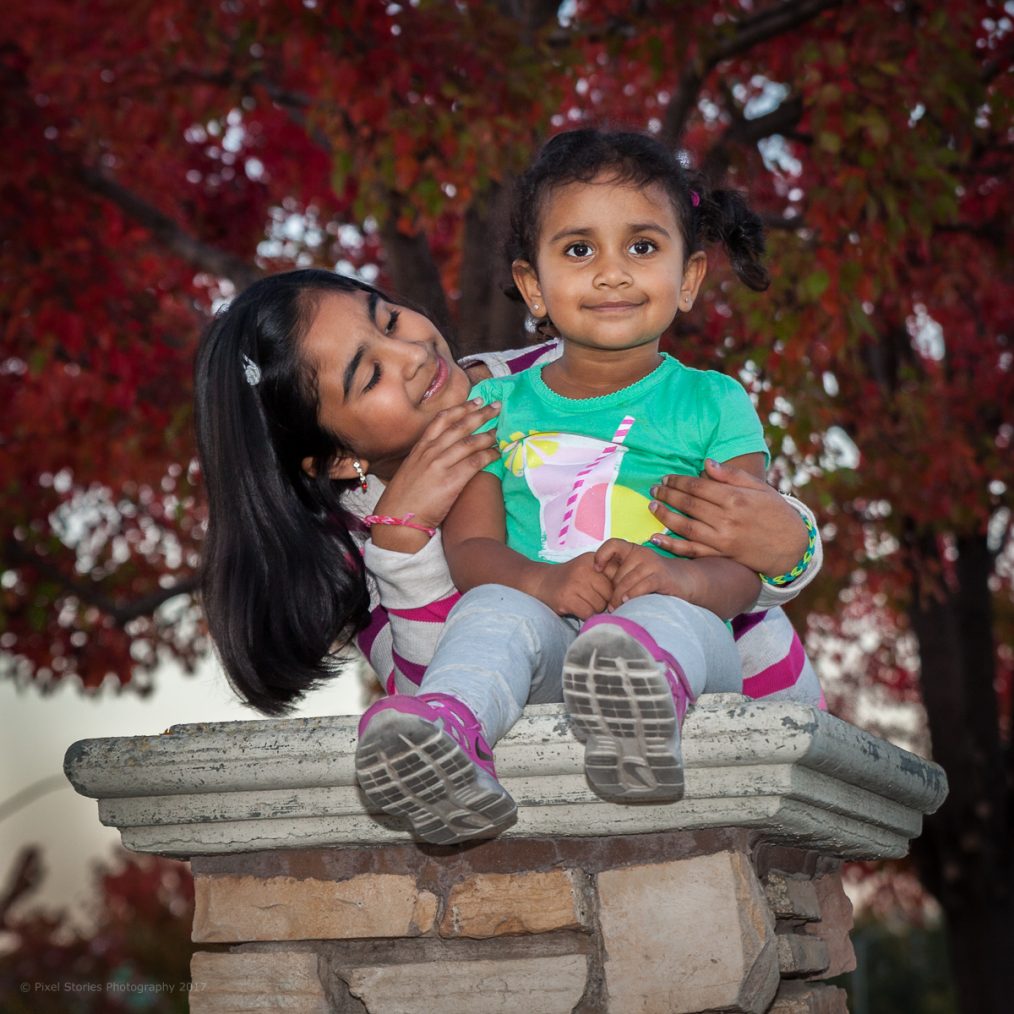
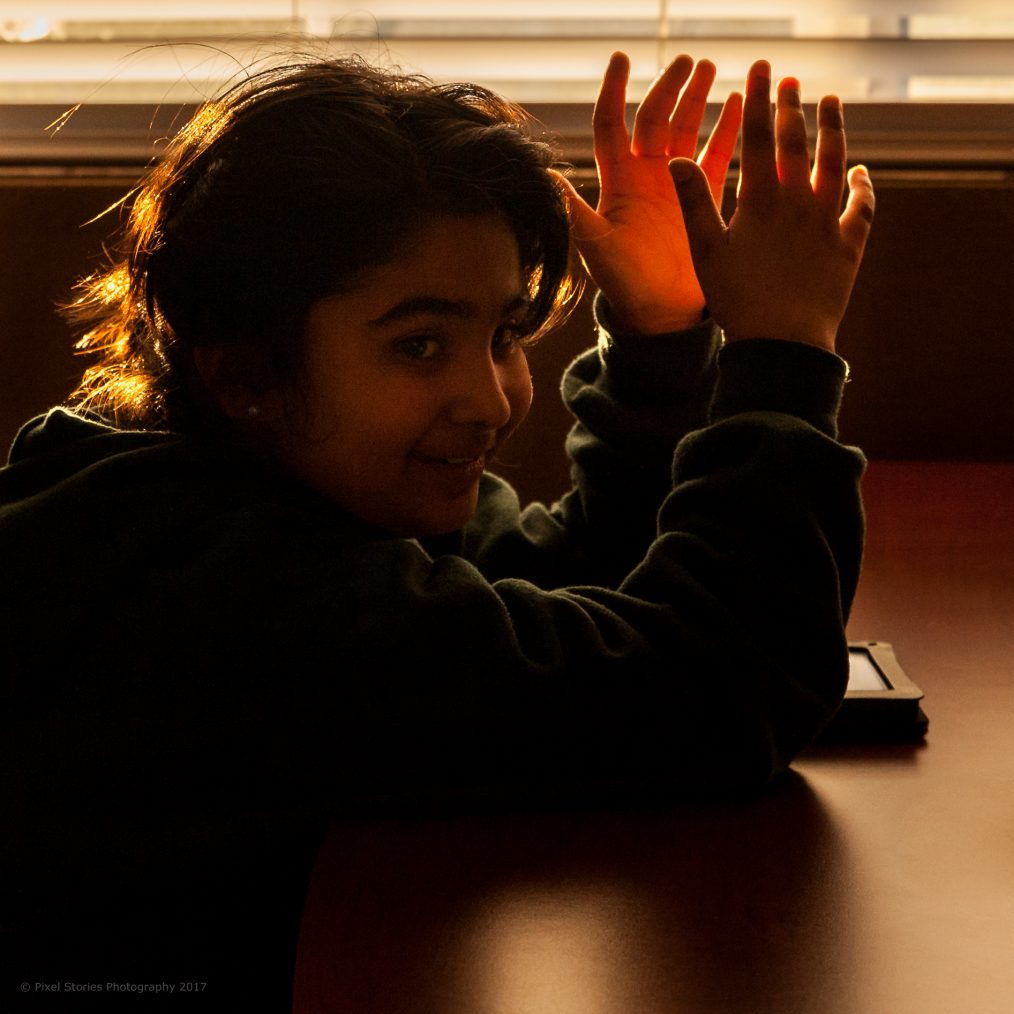
For a correctly exposed image the basic ingredients to get right are color and quantity of light. But what makes the difference between a merely well-exposed image and one that has a dramatic impact is the type of light. In the present context that refers to how the subject is lit. A subject may have frontlighting, or sidelighting, or backlighting, or reflected lighting, and so forth, and depending on the type of lighting the response to each image will be very different.
In general, the mood an image presents is directly tied to the type of light. For instance, an image of a lighthouse taken at sunrise might have frontlighting and will display colors and hues, while an image taken from the same location late in the afternoon might have backlighting and will be more of a play of light and shadows. The reddish glow or golden hue of the light at sunrise adds a mood of inspiration, a new beginning, etc., to the image, while the late afternoon light, which lacks color, calls attention to highlights, shadows, and contrasts.
One of the biggest assets a photographer could possess is the ability to recognize the type of light, to see the light. For some, it is an innate ability, but for the many not so blessed, seeing light can be learned. There are any number of resources that talk about the types of light and how best to put them to use. An aspiring photographer would do well to invest the time and effort to develop the skill to see light. Put differently, his photographic creativity will start to see light as he learns to see the light.