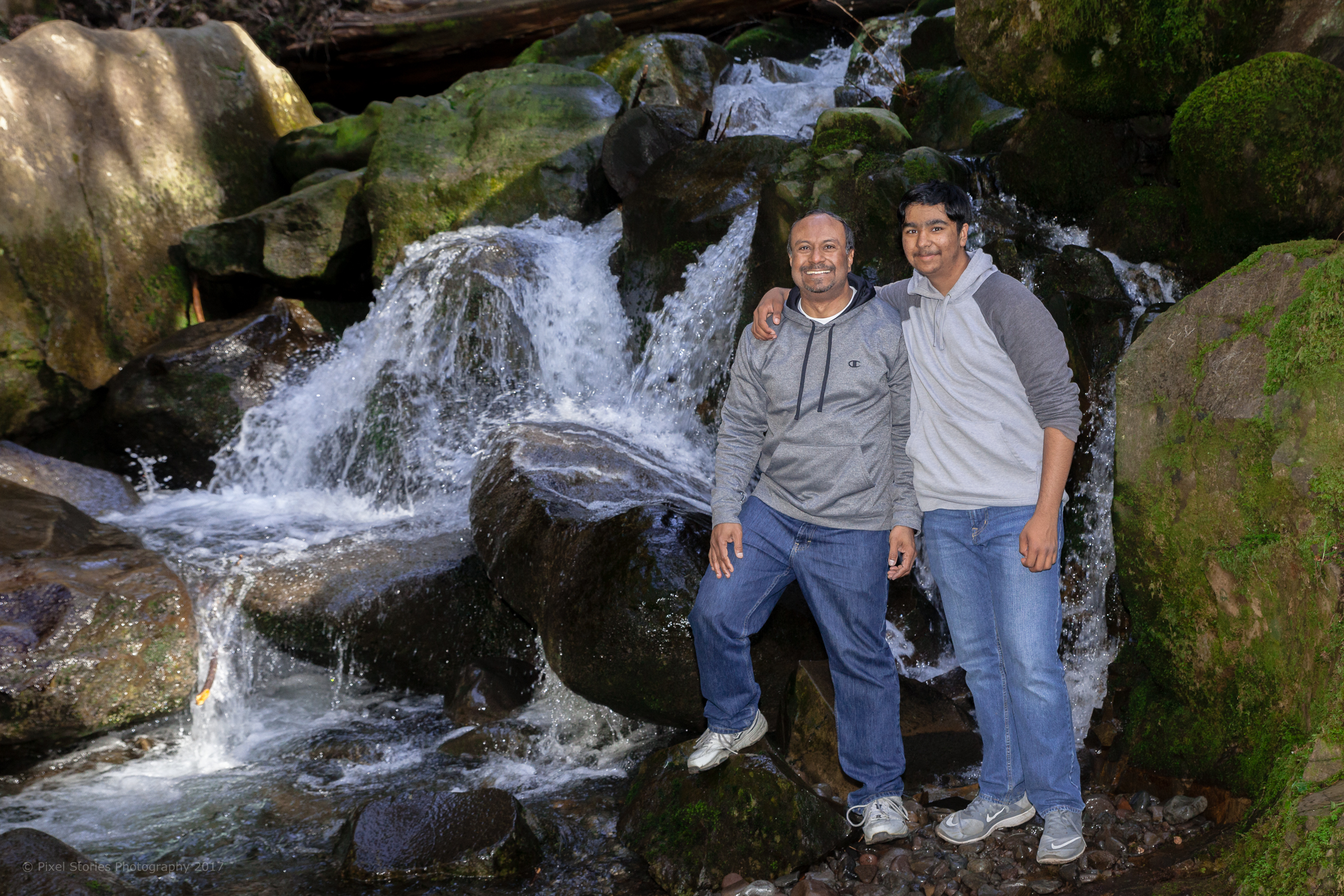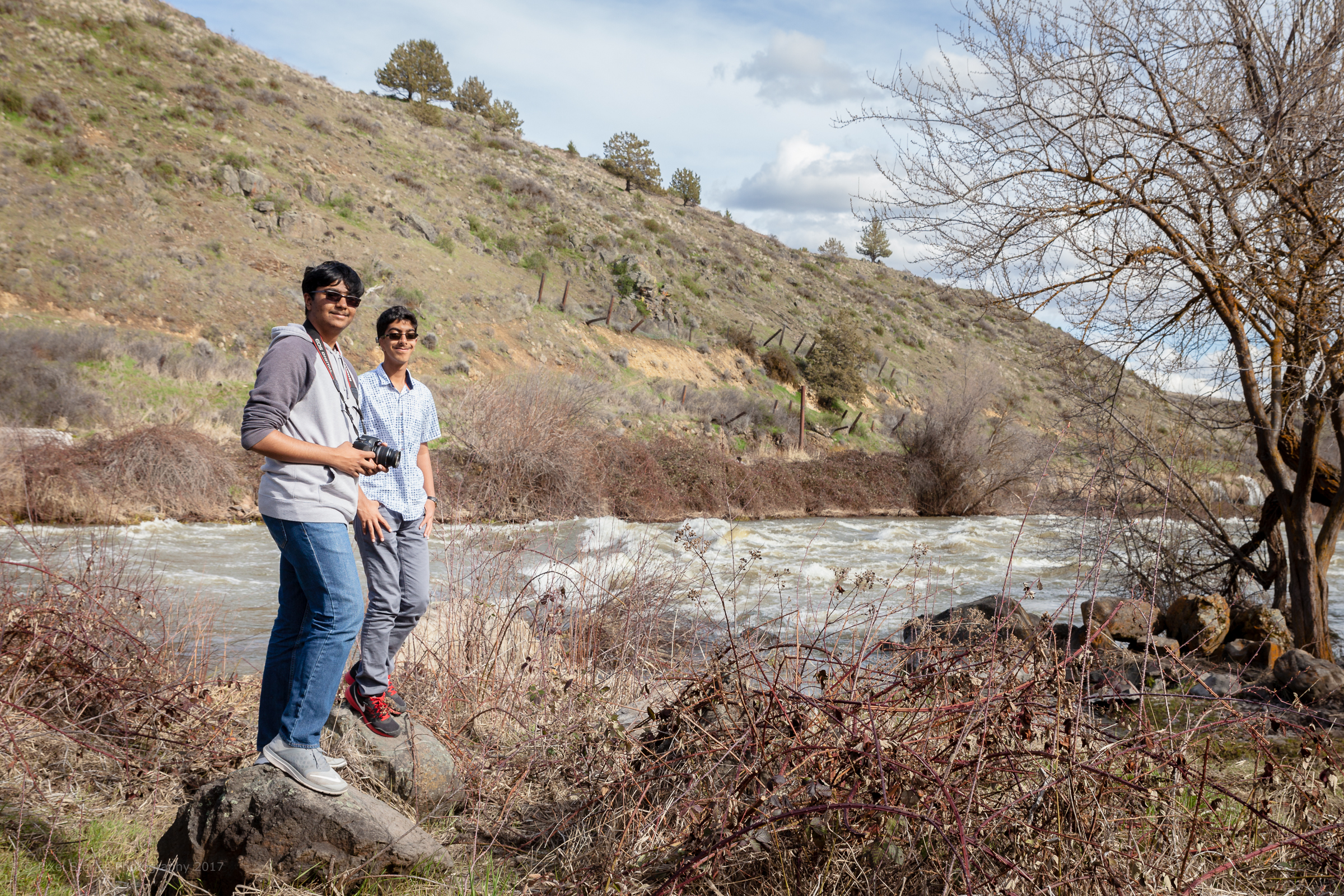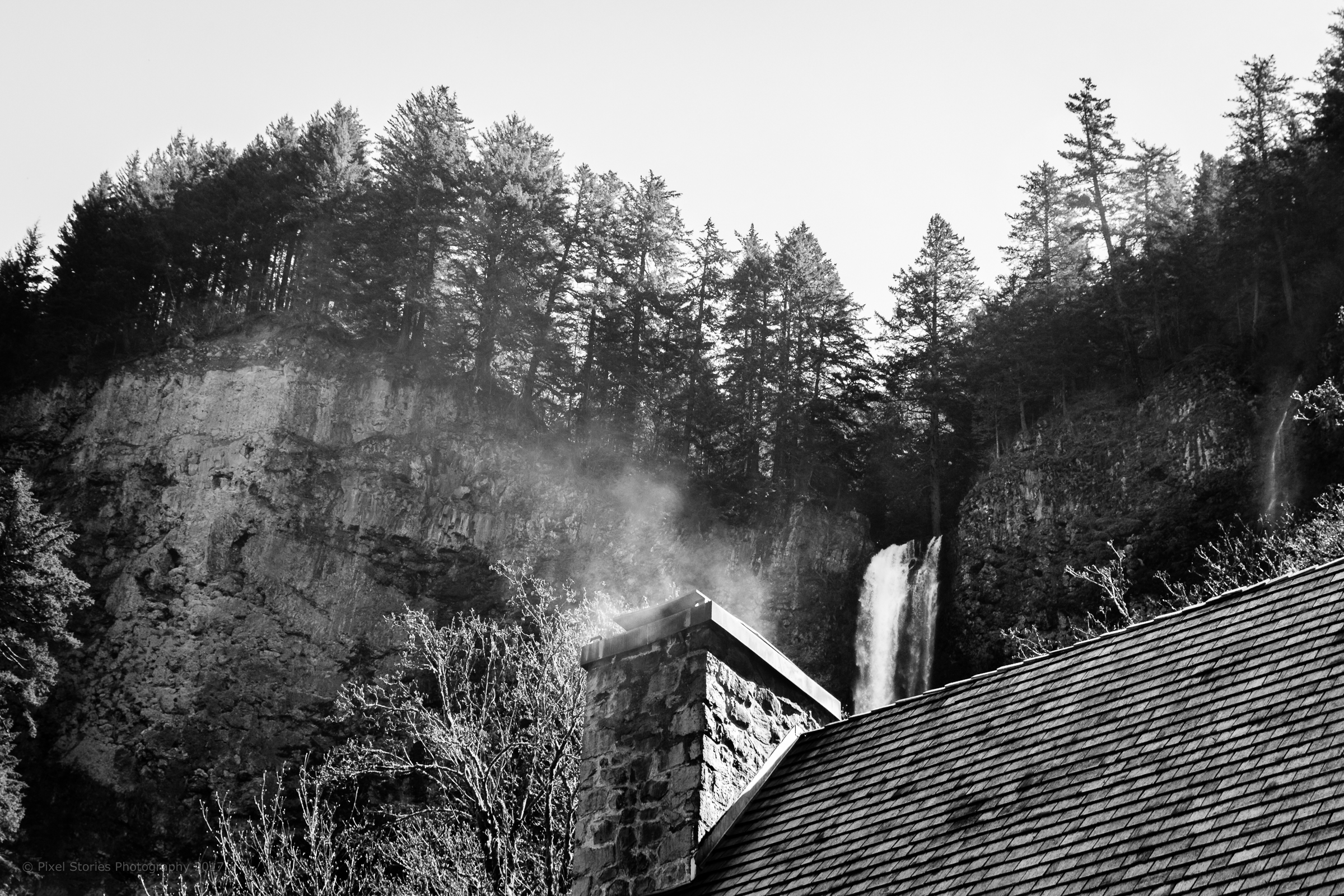

This is a truism we ignore at our own peril. To live a full life, the mind must be free. And to get there we must identify and cast off our mental shackles; some that the world has thrust upon us, some that we have unwittingly burdened ourselves with. Regardless, we live life to the fullest only when our minds remain unencumbered.
In the world of photography too, myths abound. They burden the photographer’s mind and stifle his creativity. The photographer seeking to create an authentic body of work, then, must begin by freeing his mind. He must take a critical look at his biases, beliefs, and opinions of the art and craft of photography, keeping in mind that they have all been shaped, not insignificantly, by the marketing pitches and loud voices of the photography world. Next, he must decide whether they help or hinder his creative output. Finally, he must discard all that do not help. Creativity flourishes when the mind is free and open. And keeping it free and open must become the photographer’s enduring habit.
Creativity flourishes when the mind is free and open. And keeping it free and open must become the photographer’s enduring habit.
A pernicious debate has raged on in the photography world for so long that the topic of debate has even earned its own acronym — GAS — for Gear Acquisition Syndrome. Camera manufacturers have, for a long time, grown sales by fueling this debate. Briefly, GAS is the desire to acquire better — read expensive — camera gear that will, ostensibly, make you a better photographer. But the simple truth is that the camera does not make the photographs. You do. The camera is the tool, but you are the artist. The camera sees, but you have the vision. If history is any guide, some of the most moving and evocative images were made using nothing more than simple cameras. As simple as the truth is, few are able to see it objectively. Newbies to photography, in particular, are vulnerable to GAS, and only the fortunate few escape it. A photographer who has disabused himself of the notion that expensive cameras lead to better photographs — essentially rid himself of GAS (pun intended) — has shaken off the most burdensome shackles that tie down a large segment of the photographer population.
But the simple truth is that the camera does not make the photographs. You do. The camera is the tool, but you are the artist. The camera sees, but you have the vision.
For some photographers technical perfection is a fixation but the reality is that technical perfection alone does not a photograph make. Certainly, the lighting, the exposure, the sharpness, etc need to be as correct as possible. Indeed, they complement aspects of the photograph such as perspective, emotion, timing, and style, which are essential. In other words, the technicals need to be right but what ultimately makes the photograph is the artistry. So, it is good to improve your craft, but to go farther, perfect your art.
The photographer would be remiss to think that his art is original, entirely his own creation. The truth is that there is no original art. All art is imitation. It may well be that a creation is entirely his, but if it has any appeal it was likely influenced by art that preceded it. The best photographers study the work of the masters, imitate their work, and evolve their unique styles through long, persistent practice. A common thread that runs through artist biographies is how much their work was influenced by the work of artists they admired. Rather than ignoring art that came before him, the photographer on a quest to evolve his own style is better served by imitating it first before breaking off on his own path.
The above are but a sampling of the limiting beliefs that weigh down the photographer’s mind. Many more exist, surely. Some run deep. Some hide in plain sight. But they all need careful scrutiny and weeding. For the photographer chasing art that last bit is mandatory.
Your creative spirit soars only when you free your mind.