
We all need wins. They keep our engines chugging and our days interesting. Even better if the wins come with trophies.
When was the last time you had a win?
When we think of wins we automatically think of big wins. Like the big contract you snagged for a sports team photoshoot, or the bid you won to shoot the local fashion show, a sweet conclusion to weeks and months of work. But, look closer and you will find that the big wins are simply a culmination of small wins. You work toward a goal, make progress in small increments along the way, and when, at some point reach your goal, you call it the big win. But those small increments along the way — the minor milestones — are all wins too! It is important to recognize them as wins because — and, if you have worked on any sizeable project, you know this always happens — when hurdles frustrate and slow you down, it is the minor milestones that will motivate you to pick yourself up, dust off, and get back to work.
The trophy that accompanies a win is material proof of the win, a tangible testimony to your investment of blood, sweat, toil and tears. And if the trophy was earned by dint of honest, hard work, you can be rightfully proud of it. The trophy serves as a reminder of the glory days and inspires you to push further.
A word of caution, however. Although wins keep us motivated, chasing after them would be the wrong thing to do. The win should never become an end in itself. If anything, the chase should be — as is true of every enduring success story — after “do the work.” Keep working should be the mantra. As for the trophy, it is best to remember that there may or may not be a pot of gold at the end of the rainbow.
The joy of seeing the light, getting to know the subject, and working within constraints make it all worthwhile for me. Those are my little wins. The trophies — on the rare occasions that I am fortunate enough to receive them — are my images that have all the elements in the right place, have great lighting, and burst with human emotion. My quest for more, and bigger, trophies keeps me motivated to go out and shoot more images.
And any time that I am able to go out and make images, I consider it a win. If the muse tosses in a trophy, that would be the cherry on top!
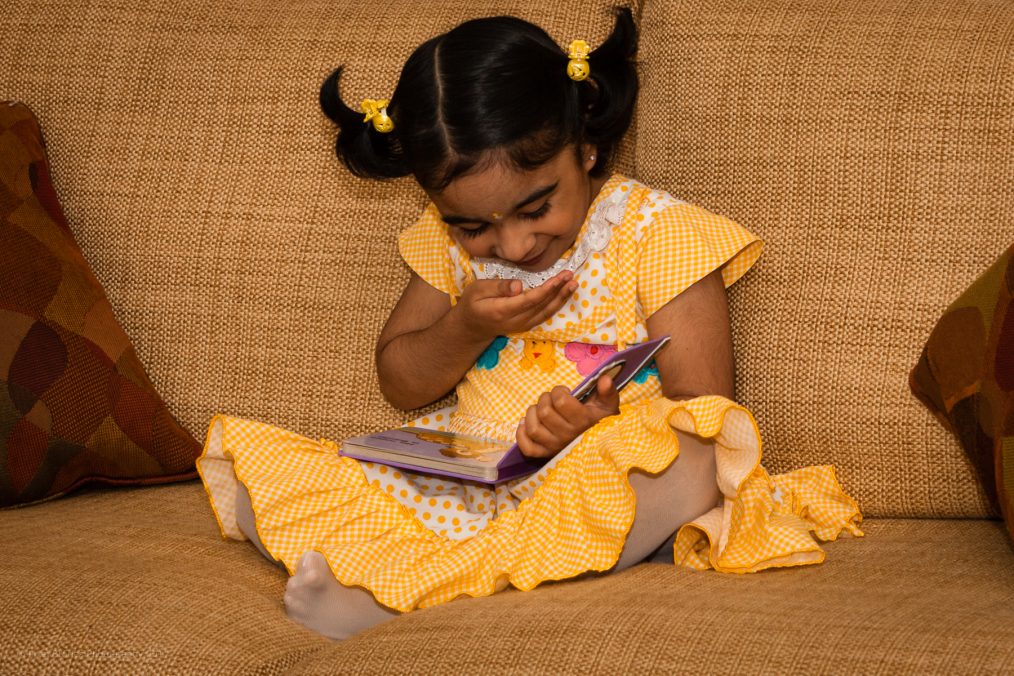
Life happens in the little moments. In the moments of fleeting action — the brief smile, the here-we-go-again eyeroll, the painful grimace, the sharp look, the loving glance. It happens in the brief intervals when facades drop, when masks fall off, when gestures reveal true feelings. Life happens in the rare, short moments when we forget ourselves and become one with the scene unfolding in front of us. Those are the moments that defy vivid descriptions of how we felt, when our words fail to give color to what we witnessed. Indeed, it is in those little moments that we experience, in the most universal sense, love.
It is no surprise then that the photographs that most appeal to us, that pull us in for a second glance, that make us linger on the image a few seconds longer, are the ones that capture the little moments, moments that are at once utterly mundane and full of meaning and expression — laughter, love, violence, despair. And speaking of despair, what better image than Dorothea Lange’s iconic Migrant Mother image of the Depression era which perfectly captures the despair of folks eking out a living and trying to cope with the hardships. That image is by no means a ‘little moment’ image, encapsulating as it does the pain of an entire generation, but without the context of the Great Depression, it is a fine example of life’s little moment, a feeling, or rather, a state of being, all too routine for many a folk.
For most of us, pre-occupied as we are with the hurry and bustle of daily living, the little moments barely register in our awareness. But for the photographer those are the moments to be aware of. And he can only become aware when he is relaxed in mind and present in the moment. It is a gift to be present, to be able to see, to see deeply and with understanding. But it is also a skill that one can cultivate with patience and practice.
In this age of fast-everything, the photographer seeking to capture the little moments must begin by slowing down, by turning attention to the present moment. When you are on the prowl for a great shot, you might as well forget it. But when you are relaxed, when you are going with the flow of the present, the great shots will find you.
Maybe it’s not something folks think too much about, but the question is certainly relevant: are you living an inspired life? And what exactly does inspired living mean? The answer is subjective but we could agree broadly, I suppose, that it means living, every day, to your fullest potential, spending the day doing what you love doing, and being just as excited to do it tomorrow, the day after, and the day after that. One could watch cat videos and troll whatsapp groups all day long but that is not what I am talking about, of course. I am talking about activities that engage your creative abilities, draw out your talents, and challenge your mind.
Contrary to what folks boast on their resumes and job profiles, for many, their work is not their real passion, and I suspect many would admit in confidence to just that, and additionally, to not living an inspired life. Theirs is a life of quiet desperation; there is a vague unease, a restlessness the source of which they can’t quite lay a finger on. And there is a desire to make daily living more meaningful. Yet, most never break free.
But the recipe itself is simple — take actions every day, however small, towards that thing you dream of doing all day long, every day for the rest of your life. Easier said than done, but the determined mind always finds a way out.
So, for someone that loves to make images with a camera what does it mean to live an inspired life? The simplistic answer, going by our earlier definition, is to be engaged all day, every day, making images with the camera. But it is more than merely pressing the shutter button all day long, of course. Making images is a creative endeavor, and the more varied your experiences the better your creative output. And while making images regularly will keep you inspired, seeking out and learning from other creative endeavors such as music, architecture, sculpture, dancing, and so on, will give it wings.
To those who are photographically inclined there are many ways to keep engaged with the whole process of making images. Try new lighting techniques, start a personal project, study the work of master photographers, shoot a different genre. But also throw in the occasional trip to artist galleries, to musical concerts, to museums, and you will be on your way to greater motivation, and certainly, better images. Spend even a small part of every week doing those things and you will soon be living an inspired life. Or, at least, you will discover the life you prefer to live!
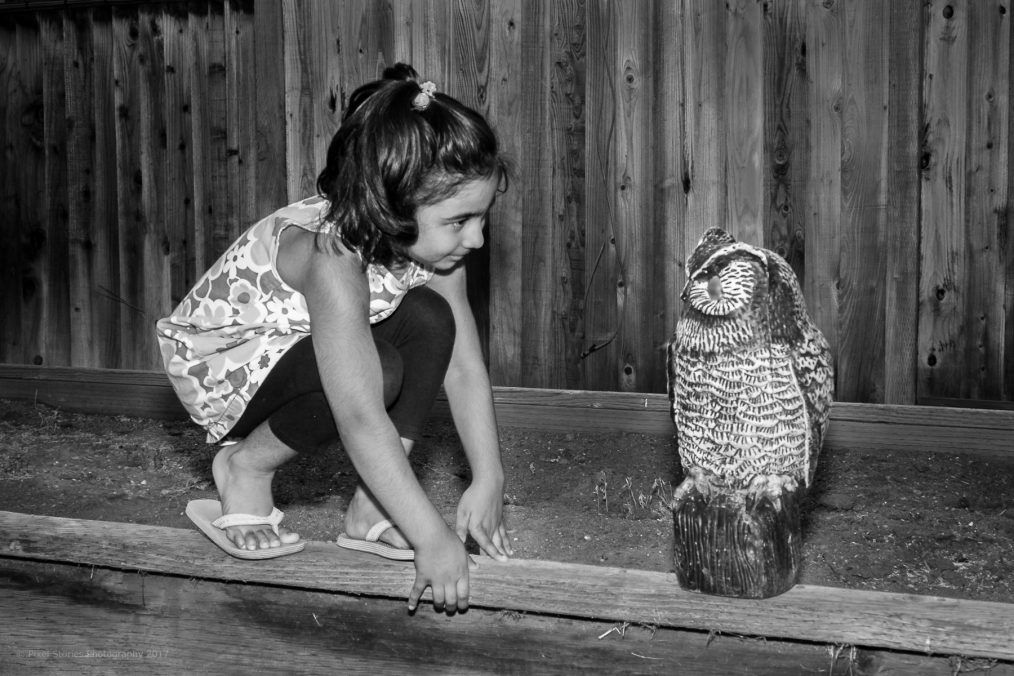
What’s the one big thing that holds us back from living up to our full potential? Fear.
It is not the only thing, of course; ill health, lack of resources, toxic work culture, to name a few, hold us back as well. But for most of us, nothing tops fear: fear of failure, fear of society, fear of rejection. Fear numbs and paralyzes us. Fear stops us from taking action. Fear drains us of energy and initiative. And in the extreme scenario, while we are searching for answers, fear does not even register in our awareness!
If we wish to live up to our potential there is no way around our fears: we must take them head-on, talk to them, have a dialog, and then decide if the room they take up in our minds is justified. Sometimes we are aware of our fears, but often they remain hidden in the layers of our minds and need to be wrung out. Identifying them is the first step, and a reliable way to get there is through introspection and questioning.
But for most of us, nothing tops fear: fear of failure, fear of society, fear of rejection. Fear numbs and paralyzes us. Fear stops us from taking action. Fear drains us of energy and initiative.
We begin our introspection by taking a pause and looking within. We delve into battles past, recall our victories and our defeats, and examine what roles fear played, and how we handled fear. We question our worldview, our place in this world, our biases, and our habits. We ask the hard questions, questions that make us uncomfortable, questions that we would rather give away our firstborn than answer. And we answer as objectively as we can, without rationalization, without defense, and in the answers will be identified our fears, ones we know, and, if we are fortunate enough, ones that we were not aware of.
Our questions might yield simple answers. Or, they might shake up our core, reveal our true selves, and guide us to change in profound ways. Either way, once the fears are identified we take baby steps to break them, and with each step that we take, the fears recede and we emerge stronger.
My own introspection has revealed my many fears, big and small. As a photographer, my biggest fear — and I suspect every photographer has this fear — is that my images are dull and uninspiring. Unfortunately, there exist no “inject life” filters that could breathe life into images and, therefore, the only option I am left with is to talk to that fear and go make images. My approach is to apply lessons learned, to visualize more, and to be present. So, as I am making the images I remind myself to not worry about the results but, instead, to focus on the moment. The internal dialog calms me down, keeps fear at bay, and allows me to pour all my energies into making the images.
Our questions might yield simple answers. Or, they might shake up our core, reveal our true selves, and guide us to change in profound ways. Either way, once the fears are identified we take baby steps to break them, and with each step that we take, the fears recede and we emerge stronger.
It is unlikely that I will ever be free from my fears, but having identified them, I am able talk to them when they rear their heads, and know that I am in control. As long as the fears do not overwhelm, I come out ahead! And that is all that matters.
Go ahead, give it a try. Talk to your fears today! You might benefit too.
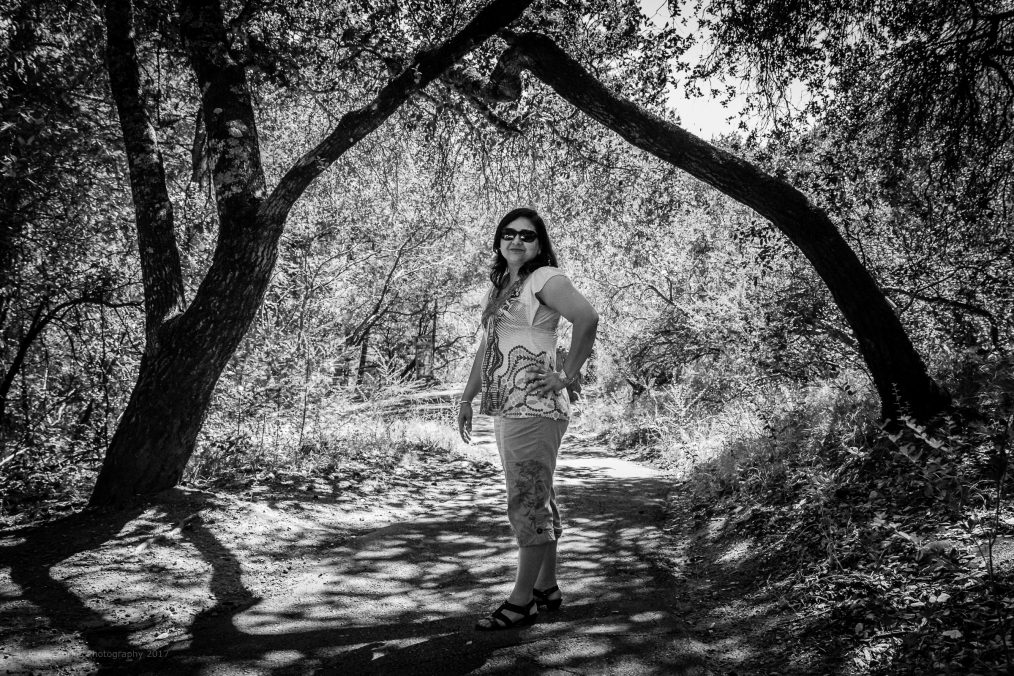
Back in the days of film you could burn through whole rolls and not get a single photo worth keeping. Although it felt like it, it was not entirely wasted effort. Images from those rolls yielded clues to the best angle, position, framing, and so on, for the perfect image. In fact, at the National Geographic, professional photographers were known to burn through several rolls of film just to get the one or two images that made it into print.
Sketching, as this process of arriving at the best image is sometimes referred to, is a well-recommended practice because it informs and teaches, but also the practice runs help the photographer familiarize and connect with the subject.
Today, digital technology makes sketching accessible to all because, courtesy the delete button, any ‘burned’ digital film is easily recovered with nary a hit to the wallet.
Sketching is particularly useful in dynamic situations, such as in a scene with multiple elements, with many of them in motion. For instance, a street scene with a colorful vendor stall as the subject might include many moving elements such as hawkers, customers, pets, kids, etc. The photographer begins sketching the scene by making images at various positions around the vendor stall. After determining from the sketch images the best location to shoot from, he stations himself at that location and simply waits in anticipation. When the best moment of human interaction plays out, he clicks, a la Henri Cartier-Bresson, at the decisive moment.
Although useful, a few notes of caution are in order. Sketching is not needed in all or even in most situations, and in the worst case, where spontaneity is key, great opportunities to capture beauty and light may be missed. And so, it is for the photographer to assess the situation and make a determination if sketching is called for. As simple as the process is, sketching should not be mistaken to mean taking photographs without thinking. A bit of planning the sketch shots can save time down the road while making the final images.
Add sketching to your repertoire of tricks and you will be glad for what it does to your photography. Make sure, of course, you present only the best images for the world to admire! Stay calm and sketch away!
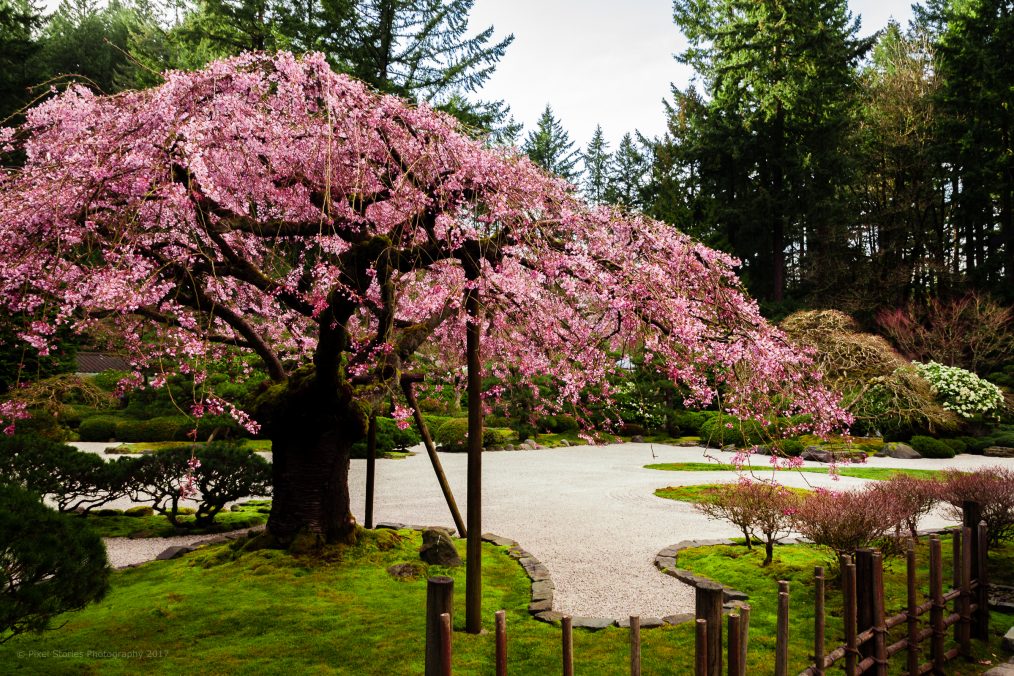
I read in an article on Unlocking your creative genius, no less, that “you must give yourself permission to create junk”. Eeeks! Create junk? Why would anyone want to do that? Isn’t the purpose of art to please? Coming from an author I admire, the suggestion struck me as counterintuitive. Creative and junk don’t mix! Or so I thought. But reading further, it all started to make sense. The author was suggesting that when you allow yourself to create more stuff — whatever you love to create, be they paintings, short stories, poems, whatever — without getting too hung up on quality, you will discover in your stuff nuggets of beauty and brilliance. That five-page essay you penned? It might be boring but you will find in it two or three beautifully crafted sentences, pure music to the ears. That is the nature of the creative process. You sift through lots of sand and silt to find nuggets of gold.
… when you allow yourself to create more stuff — whatever you love to create – more paintings, more writings, more poems — without getting too hung up on quality, you will discover in your stuff nuggets of beauty and brilliance.
That analogy mirrors my own experience pursuing photography. Early in my journey, I would expect all of my images to be breathtaking — well, they certainly looked great in the viewfinder — but they would all turn out flat and uninspiring. Frustrated and discouraged, I almost gave up photography; only my love of the craft prevented me from calling it quits. I resolved to practice and study and learn. And that meant taking lots of pictures and learning from mistakes. Soon, I discovered that among the dozens of images from a photo session — my pile of junk — there were one or two really good images, stunning even. In creating the junk, I was learning about light, about composition, about perspective, and so on, and, on occasion, somewhere in the recesses of my brain, those learnings combined in creative ways to deliver a stunner or two. But the junk had to be created first!
The easy bit is creating junk, the hard bit is making the judgments. Which images to keep? How to judge your own babies?! Do you keep that sunrise image, nearly perfect, except, in the top right corner, high tension wires interrupt the golden yellow sky? What about the image of the young girl with a perfect smile, except, a stray arm intrudes the frame? Keep it? Decisions, decisions. In the beginning, when perfect images are few and far between, throwing out the near-perfect images feels like torture. But as you keep at it, as you keep shooting and learning and playing, the images get better and better, and weeding out the near-perfect ones becomes much easier.
Looking back, the early frustrations appear to have pushed me, unconsciously, to create junk, and the end runs there have been that my images are better now than they have ever been. The hard truth, though, is that the ratio of junk to gems is still much too high, higher than I would like to admit. Paradoxically, that is good news — it keeps me excited to learn and explore, to create more junk, albeit with intentionality, with hope, that some day I may unlock any creative genius within!
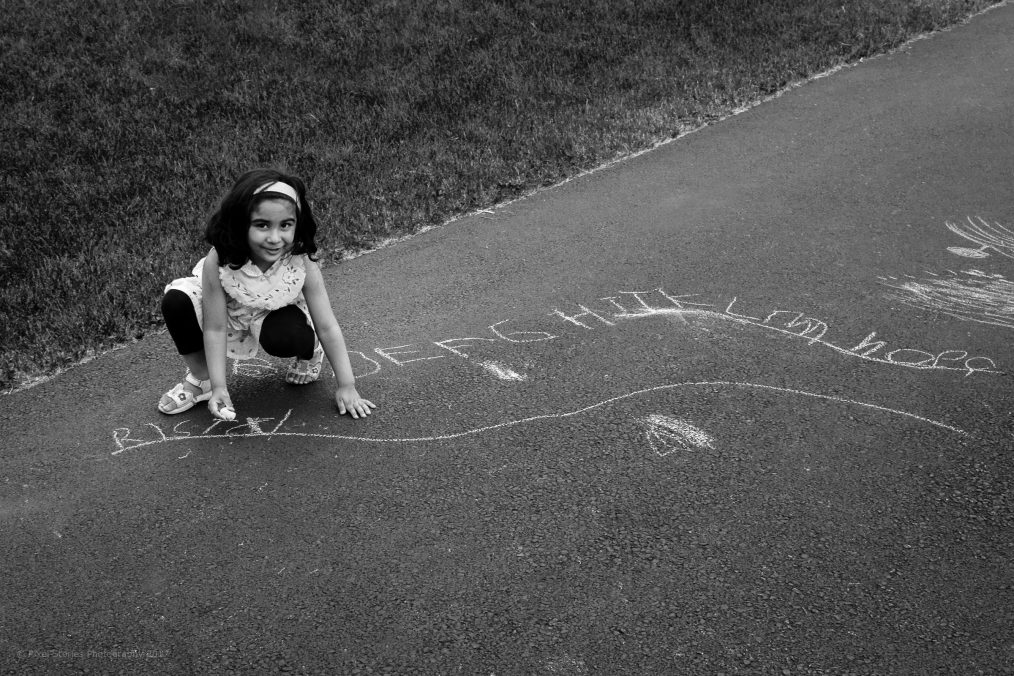
I know I am wading into murky waters with this one, and while I may not be alone in thinking it, I suspect I am in the minority when I say this: we teach our kids too little art.
I am no expert on matters of education, but seeing what my kids learn at school, it seems to me that, art is almost an afterthought. Art — I am using the word broadly to include music, sculpting, dance, drama, and so on — is relegated to the bottom of the list, below math and science. Parents too — with the best intentions, of course — encourage their children to prioritize math and science. “Study for tomorrow’s science quiz,” they say, “the art piece you are painting now can wait.” Admonitions like these, repeated over the years, condition the young minds to view the place of art in life as secondary to other pursuits. Which is unfortunate because art needs to be, at minimum, on par with those supposedly more important pursuits.
But, truly, art delights and enriches life. It is the antidote to the drudgery of daily living, and to the extent parents encourage their children to do art they also encourage them to be creative, to see the beauty around them.
In an increasingly virtual world, art is a bridge to the real world, art keeps us human.
Since no age is too early to teach art, may I suggest, dear parents, to teach your young ones to paint with light? Simply hand them your smartphone and let them loose. Let them take pictures around the house, at the park, in the backyard. Aside from giving your eyes a break from staring at your screens, watching your child dash around shooting pictures will, at least for a few moments, let you experience the real world. And as you bond with her, oohing and aahing over the pictures she took, you will be teaching her, in a subtle way, about beauty and art. If your kids are older, hand them your old camera, show them how to operate it, and tell them to build a portfolio of a subject they love. Hang their artwork on the walls of your living room, remind them to create more such pieces, more art.
Kids with a healthy appreciation for art tend to become well-rounded adults, better prepared for the harsher realities of the real world. They also tend to be better at math and science. The role parents play in encouraging that trait cannot be underestimated. By all means, let your kids know that math and science are important but do also encourage them to practice, every day, art.
In an increasingly virtual world, art is a bridge to the real world, art keeps us human. Our children need more art, not less.

This is a truism we ignore at our own peril. To live a full life, the mind must be free. And to get there we must identify and cast off our mental shackles; some that the world has thrust upon us, some that we have unwittingly burdened ourselves with. Regardless, we live life to the fullest only when our minds remain unencumbered.
In the world of photography too, myths abound. They burden the photographer’s mind and stifle his creativity. The photographer seeking to create an authentic body of work, then, must begin by freeing his mind. He must take a critical look at his biases, beliefs, and opinions of the art and craft of photography, keeping in mind that they have all been shaped, not insignificantly, by the marketing pitches and loud voices of the photography world. Next, he must decide whether they help or hinder his creative output. Finally, he must discard all that do not help. Creativity flourishes when the mind is free and open. And keeping it free and open must become the photographer’s enduring habit.
Creativity flourishes when the mind is free and open. And keeping it free and open must become the photographer’s enduring habit.
A pernicious debate has raged on in the photography world for so long that the topic of debate has even earned its own acronym — GAS — for Gear Acquisition Syndrome. Camera manufacturers have, for a long time, grown sales by fueling this debate. Briefly, GAS is the desire to acquire better — read expensive — camera gear that will, ostensibly, make you a better photographer. But the simple truth is that the camera does not make the photographs. You do. The camera is the tool, but you are the artist. The camera sees, but you have the vision. If history is any guide, some of the most moving and evocative images were made using nothing more than simple cameras. As simple as the truth is, few are able to see it objectively. Newbies to photography, in particular, are vulnerable to GAS, and only the fortunate few escape it. A photographer who has disabused himself of the notion that expensive cameras lead to better photographs — essentially rid himself of GAS (pun intended) — has shaken off the most burdensome shackles that tie down a large segment of the photographer population.
But the simple truth is that the camera does not make the photographs. You do. The camera is the tool, but you are the artist. The camera sees, but you have the vision.
For some photographers technical perfection is a fixation but the reality is that technical perfection alone does not a photograph make. Certainly, the lighting, the exposure, the sharpness, etc need to be as correct as possible. Indeed, they complement aspects of the photograph such as perspective, emotion, timing, and style, which are essential. In other words, the technicals need to be right but what ultimately makes the photograph is the artistry. So, it is good to improve your craft, but to go farther, perfect your art.
The photographer would be remiss to think that his art is original, entirely his own creation. The truth is that there is no original art. All art is imitation. It may well be that a creation is entirely his, but if it has any appeal it was likely influenced by art that preceded it. The best photographers study the work of the masters, imitate their work, and evolve their unique styles through long, persistent practice. A common thread that runs through artist biographies is how much their work was influenced by the work of artists they admired. Rather than ignoring art that came before him, the photographer on a quest to evolve his own style is better served by imitating it first before breaking off on his own path.
The above are but a sampling of the limiting beliefs that weigh down the photographer’s mind. Many more exist, surely. Some run deep. Some hide in plain sight. But they all need careful scrutiny and weeding. For the photographer chasing art that last bit is mandatory.
Your creative spirit soars only when you free your mind.
