A Vacation State of Mind

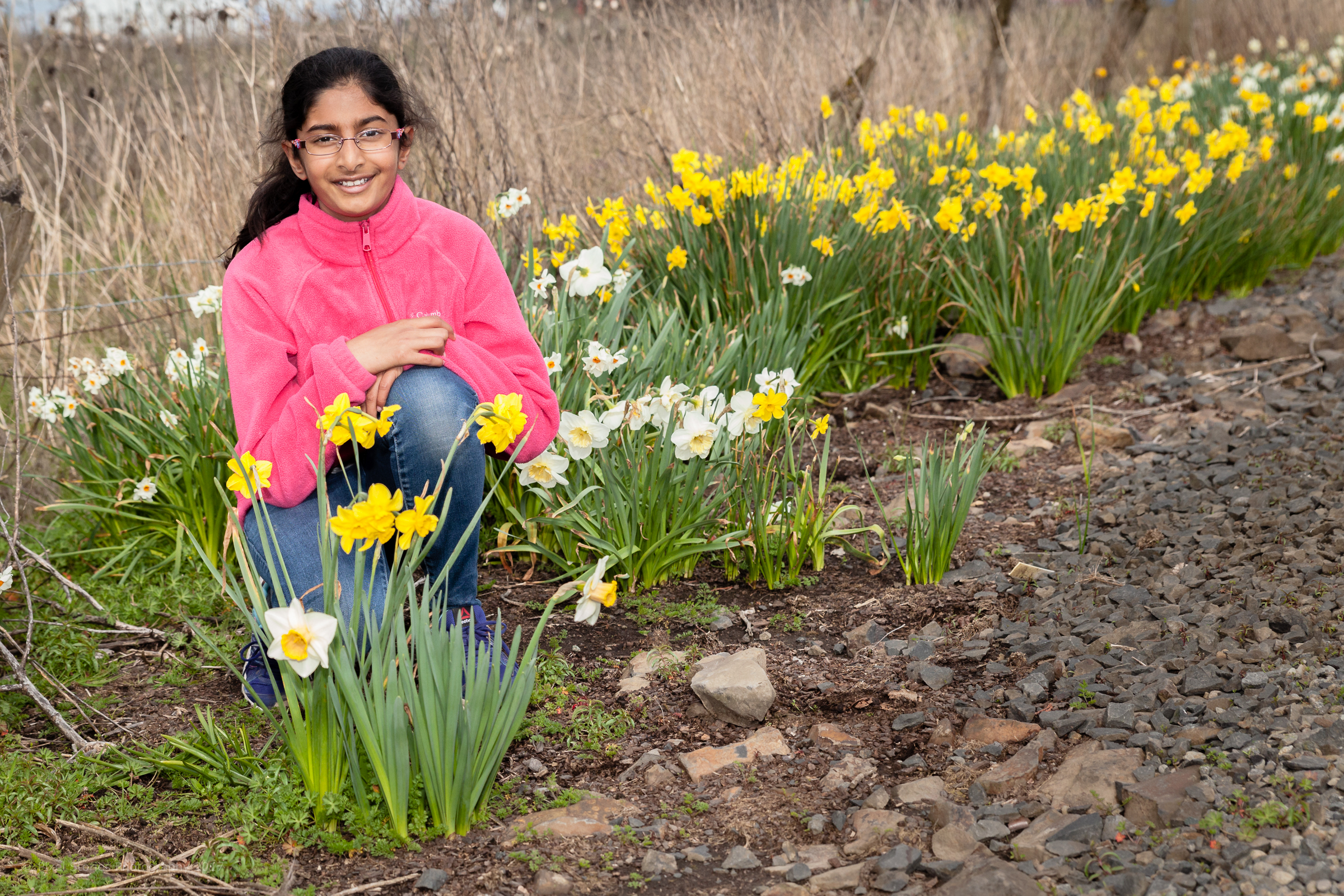
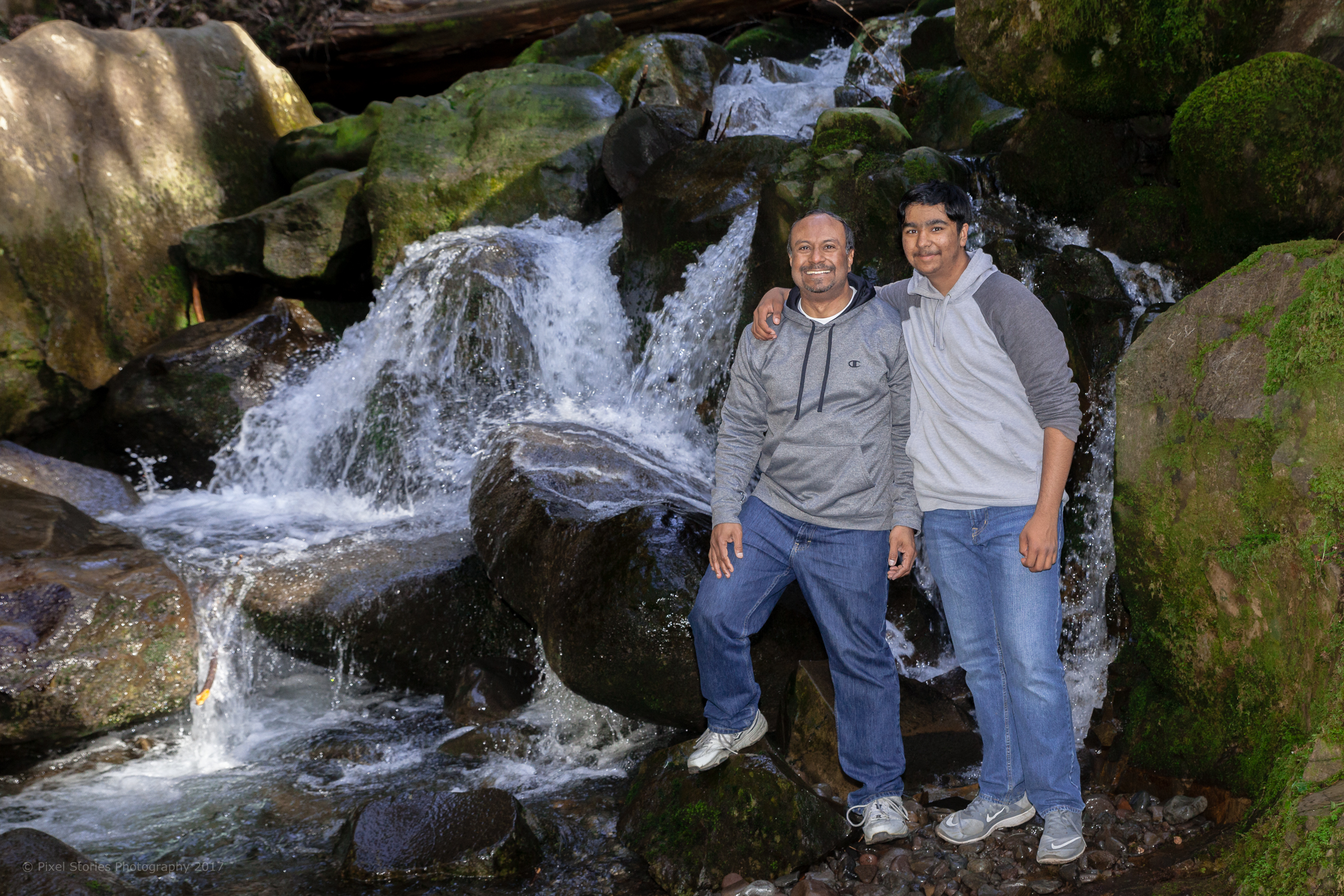
It’s been a couple weeks since I returned from a road trip to Portland, Oregon, with family and close friends, and what a trip it was! The breathtaking beauty of the waterfalls and vista points and the drive along the Pacific coast have put me in a vacation state of mind ever since. No, it’s not a state of throwback and hang loose, it’s one where the mind is less harried, less anxious, less restless. I feel more aware of the goings-on around me, ideas flow more freely, and interestingly, I seem to be more accepting of them, of possibilities.

On the road trip when cars on the road are few, and rolling farmlands and thick mangroves punctuate the vast sky stretching into the horizon, you automatically turn thoughtful. Your thoughts drift from the mundane to the nostalgic to the dreamy. You recall events past, the joys and the regrets, the victories and the disappointments, and you dream up plans for the years ahead. You open up. You experience insights and you get excited. That’s what road trips do to you.


What is my vision and how can I better express it? Do my images capture the essence of the moment? Do they tell stories?

Naturally, my thoughts drifted to photography. Between jesting with the kids and silently admiring the majesty of snow-clad mountains in the distance, I attended to photography questions and ideas and learnings that bubbled up non-stop. When did my love affair with photography begin? How can I get better at the craft? How to visualize better? I must start a personal photography project. What theme? What constraints? And what was that idea about framing I read the other day? Boy, was that a good decision to use that lens at the last photoshoot! What is my vision and how can I better express it? Do my images capture the essence of the moment? Do they tell stories? Non-stop indeed. I wondered if anybody noticed the palpable excitement my brain was whipping up.


I suspect my mind will revert to the mundane reality sooner than I would like but I believe the excitement will linger. My time on the road has helped uncover a few creative ideas to explore but at this time I also feel more open to taking risks. And while technical perfection is always a goal for the images I make, I want to focus more on their artistic merit.

It’s interesting, this vacation state of mind, and I sure hope it sticks. What’s even more interesting is that when inspiration and the creative spark elude you, you know they are only a road trip away!
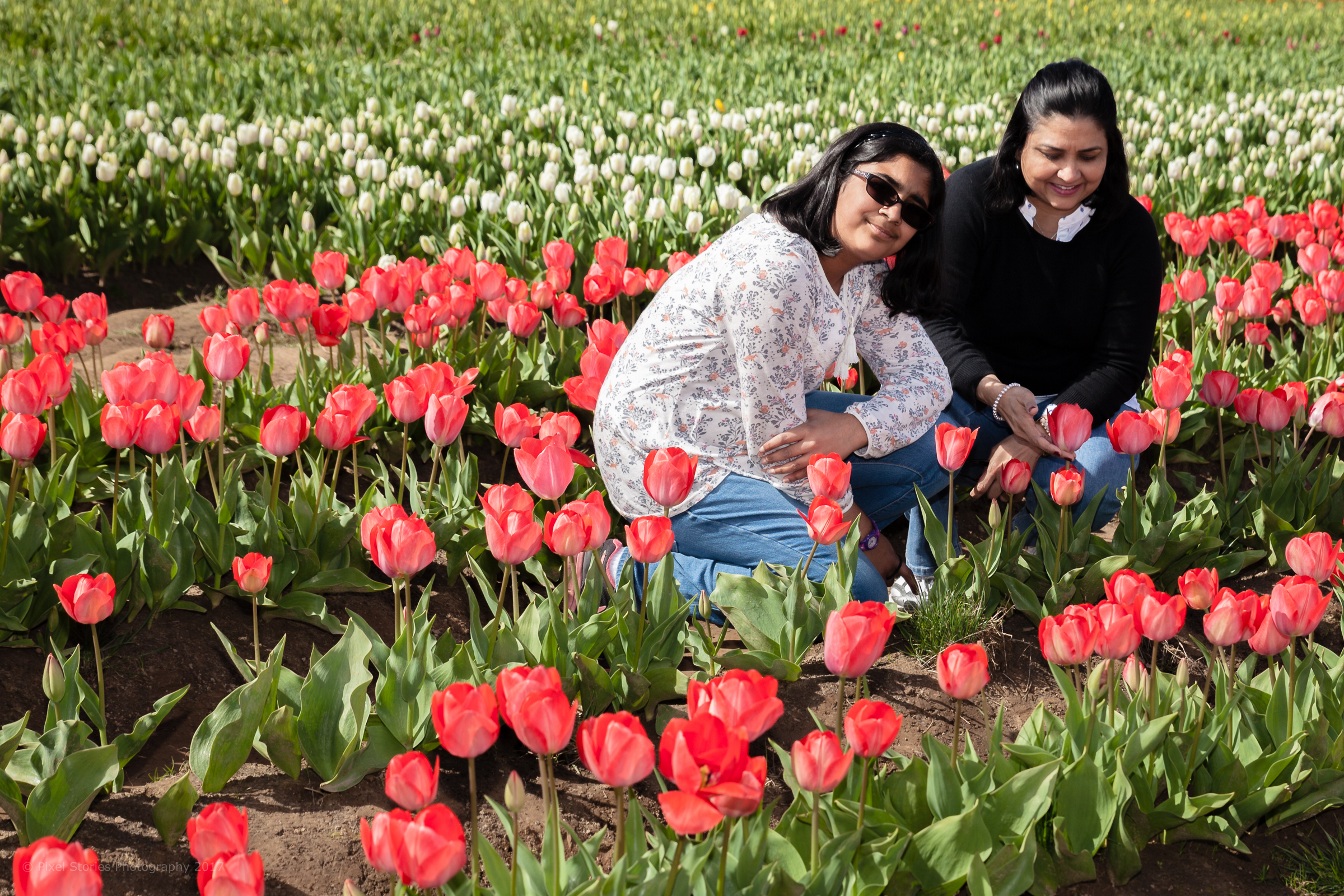
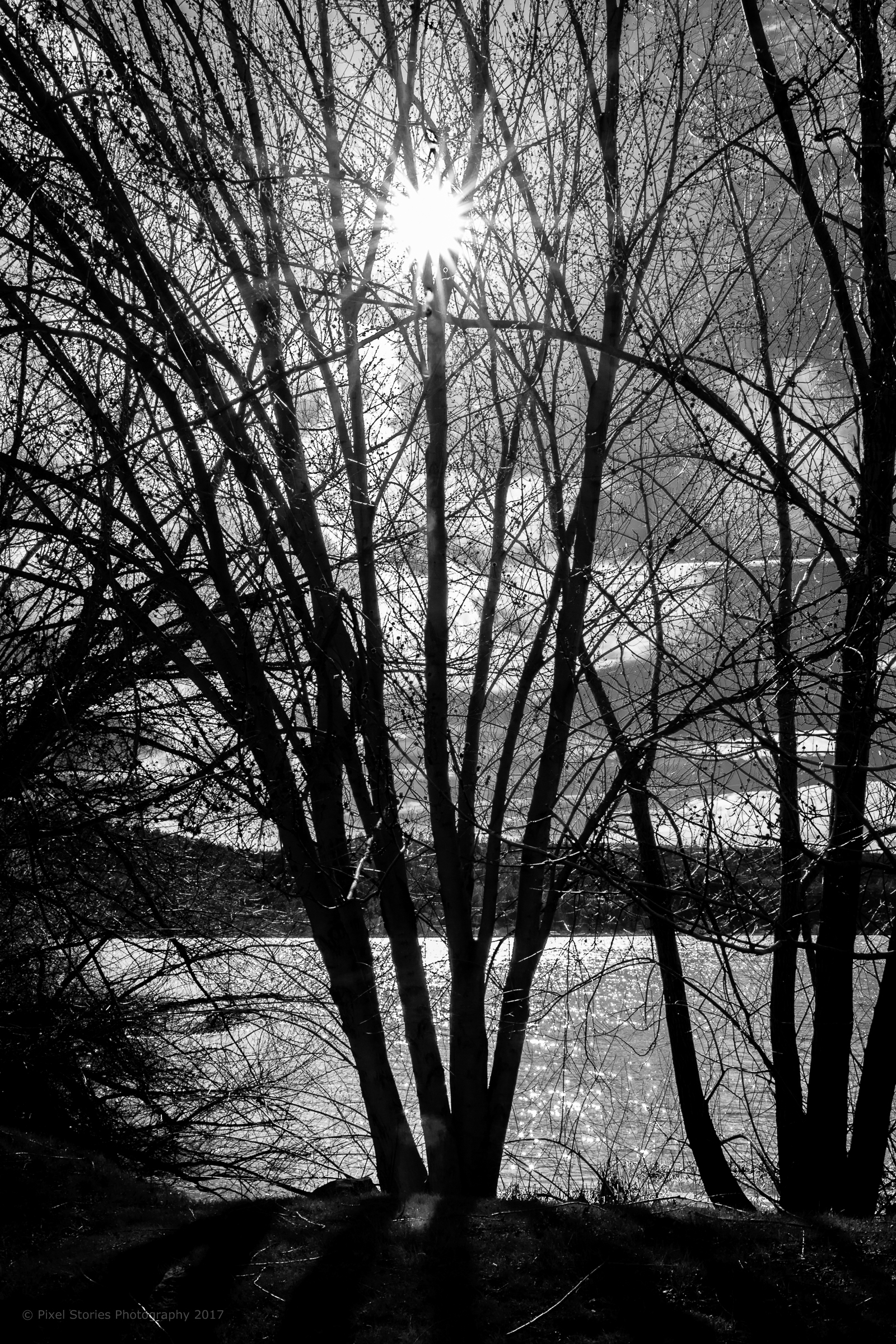
 

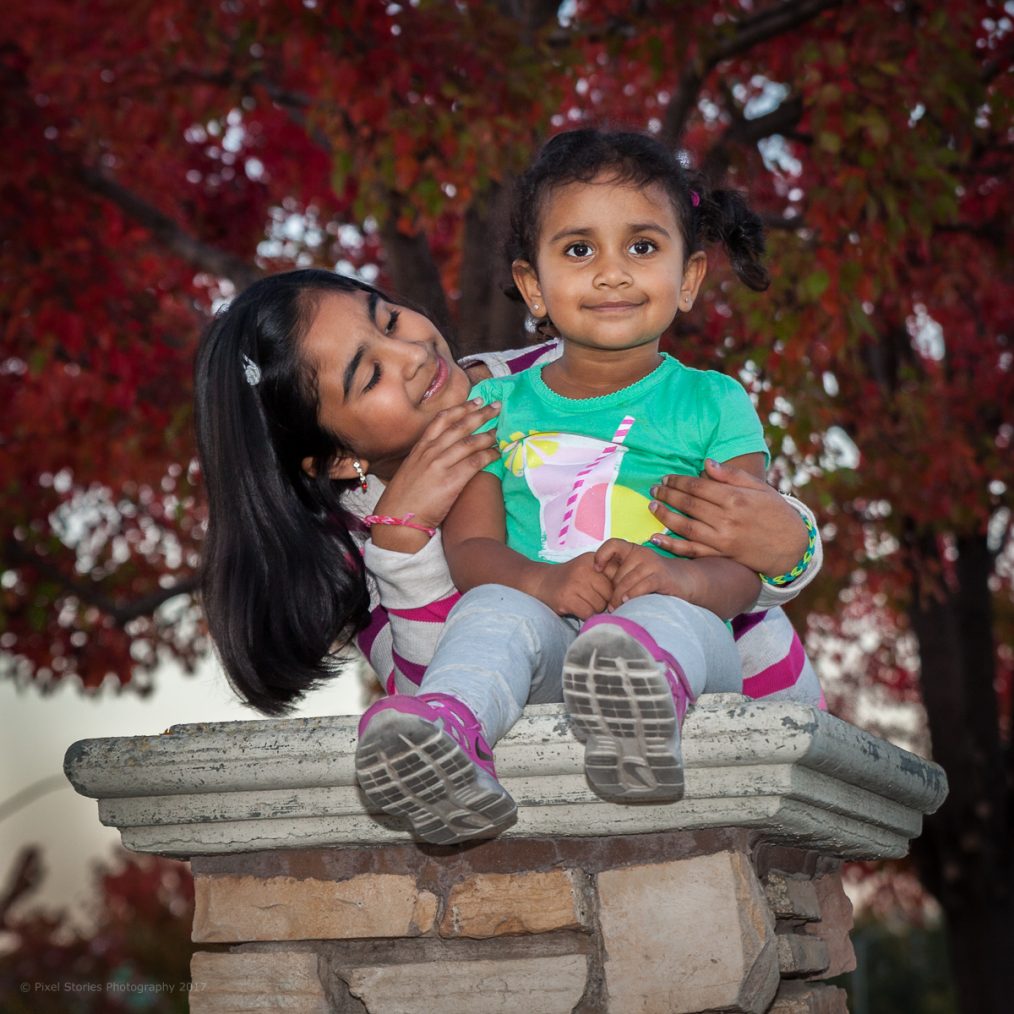
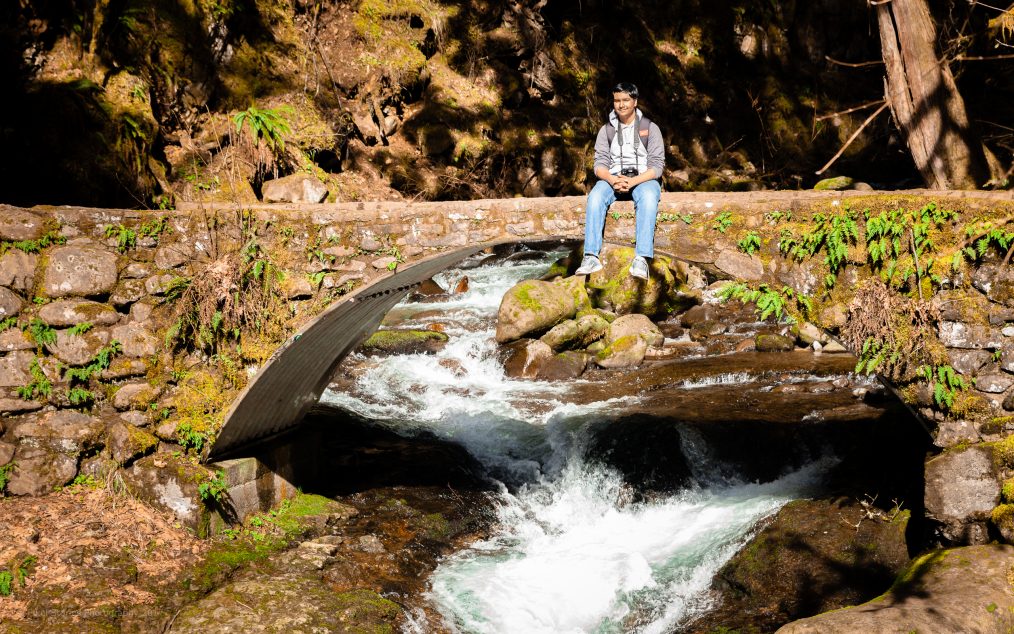
Photo Credit: N. Roy
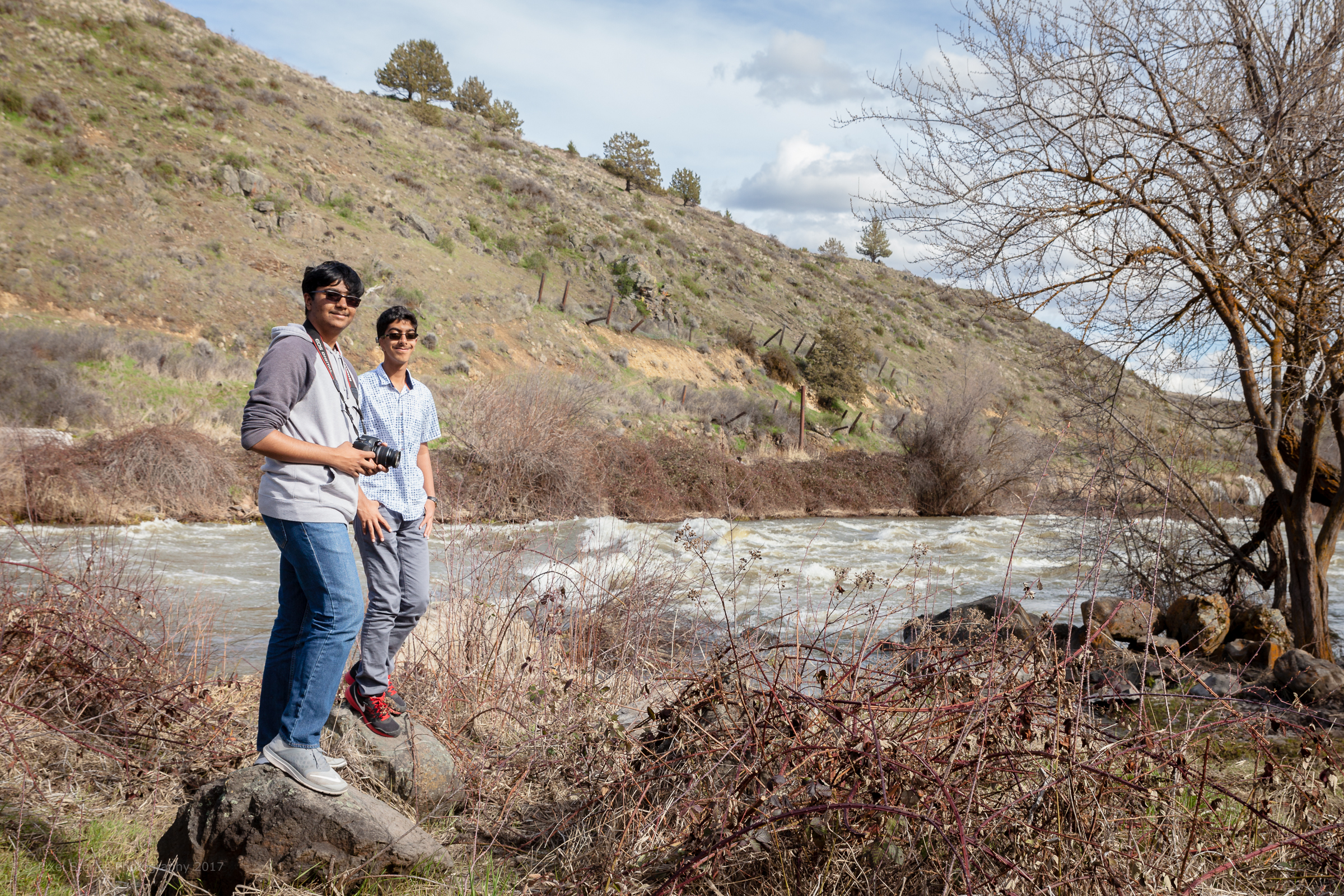
 

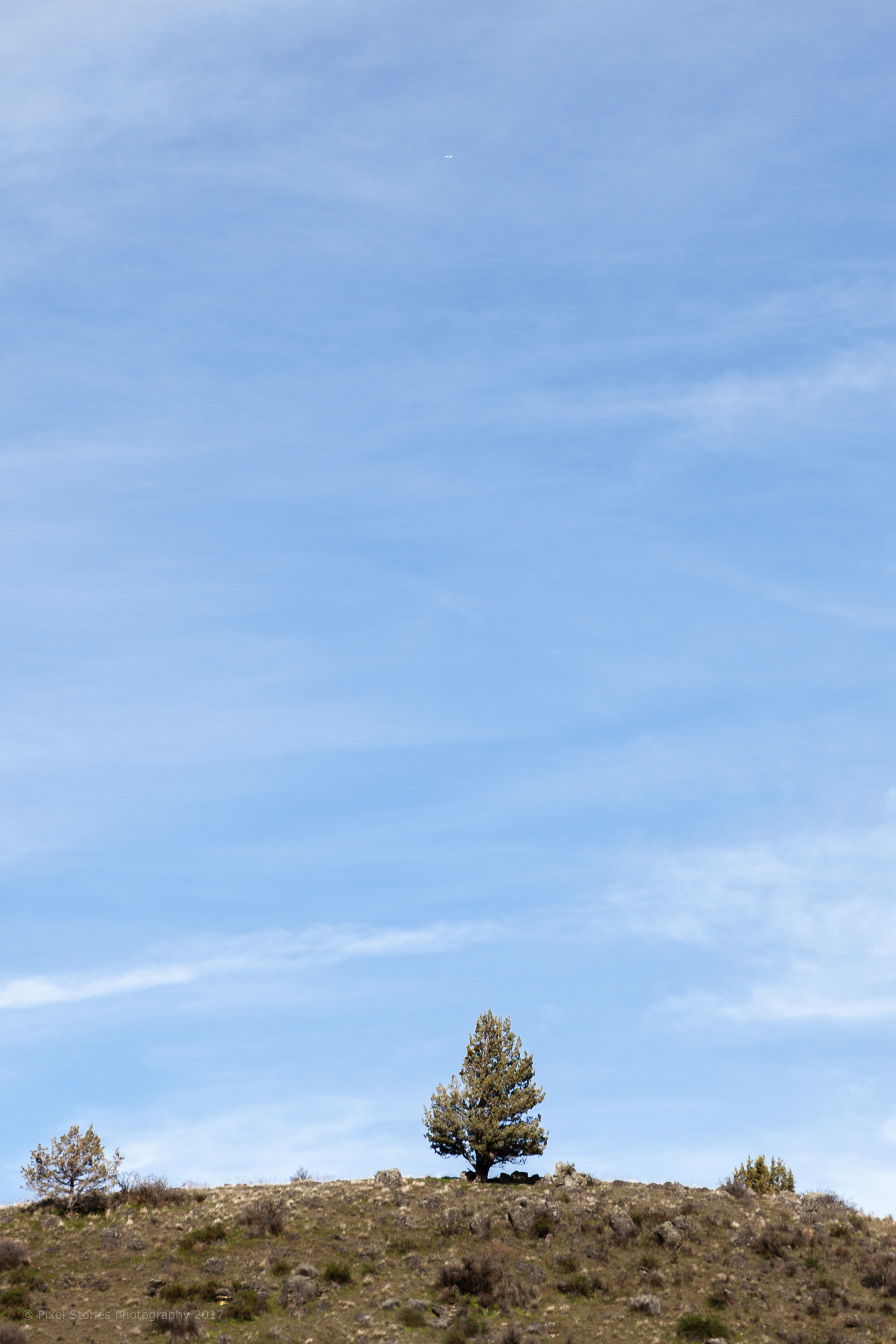
Did you see it? That white speck in the middle up top? That’s an airplane!
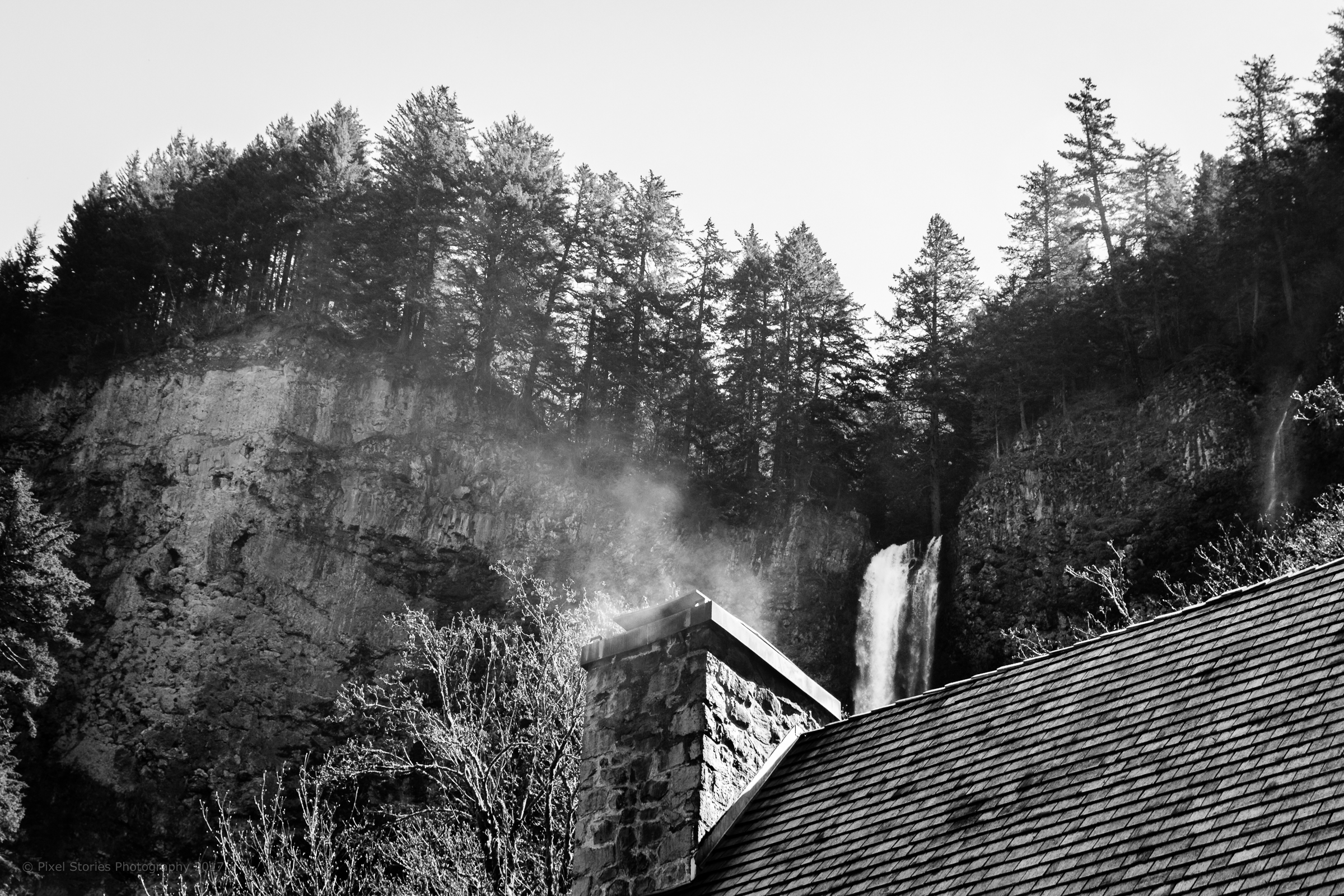


Why I Make Photographs

It’s a tough question: why do I make photographs? The answer is at once easy and not so easy, and over the years that I have mulled this question, the not so easy bit has not become any easier. Of one thing I am certain, however: the easy answer will remain unchanged through the rest of my life.

I love to make photographs.

That is the easy answer. It is the backdrop that frames the not so easy answer. But my attempts at coming up with the not so easy answer — the more detailed answer — have left me rather frustrated because I have been unable to articulate my love for this art form. Every attempt has felt like an exercise at stringing together a necklace by pulling out strands from a giant ball of spaghetti. Some strands break part way, some slide out effortlessly, and yet, each is an integral part of the whole that makes up the why of my love for making photographs. I hope this attempt yields a more coherent answer, so here goes.

Every time I am engaged in the activity — making photographs, editing, processing — I am transported into a different realm of experience. The word that best captures the experience: freedom. I feel, in the best sense of the word, untethered, free from worries, free to play with light and colors and knobs, free to create. I lose track of time. There is only the light, the camera, and the image I am attempting to record, in the best way I can. I am in flow.

I don’t recall at what point in time I fell in love with photography but when that revelation landed in my awareness it felt like a whole new world had opened up. Everywhere I looked there was an image waiting to be recorded. Everything was a great subject to be photographed. I started to notice things about my environment that I had never noticed before — dew drops strung like pearls on cobwebs, the dandelion by the sidewalk, the birds chirping in the branches, the squirrel scrambling down the fence. It was overwhelming, this richness of life. Beauty everywhere!


Every time I am engaged in the activity — making photographs, editing, processing — I am transported into a different realm of experience. The word that best captures the experience: freedom. I feel, in the best sense of the word, untethered, free from worries, free to play with light and colors and knobs, free to create. I lose track of time. There is only the light, the camera, and the image I am attempting to record, in the best way I can. I am in flow.


The new awareness also heightened my other senses. Since I was looking with new eyes, I became an observer, watching people socialize and watching my own interactions with others. I became aware of subtleties in gestures, glances, body language. I am better able to cue into people’s moods and I believe I have become a more empathic photographer. I am a better person for it.

If photography has taught me anything, it is that you don’t get very far unless you get out of your comfort zone. You can make authentic images only when you connect with your subjects which, for an introvert like me, is daunting. I have learned to break ice with strangers, strike up conversations, and make their images. While it never gets easy, making photographs has pushed me to get over my fears, to get out of my comfort zone.

When you come across the work of master photographers you are quickly left feeling depressed and inadequate. Their level of artistry leaves you wondering if your own work will ever hit the mark on anything significant. Eventually, however, you recover, you buckle up, and you resolve to learn from them. Studying the work of the masters has been one of the great joys for me. It has also started me on an endless journey of learning.

These are but a few of the whys of my love of making photographs and I am sure in the future my answer will include many more. But as long as the easy answer holds, the details do not matter, I guess! For now though, I just want to go make more photographs.

Seeing Light

The realization dawned on me, rather embarrassingly late, that photography is all about light. Well, that’s not entirely true. Of course, I knew that photography is all about light, but it was late in the game when I realized that the response an image evokes in a viewer depends on the type of the light.

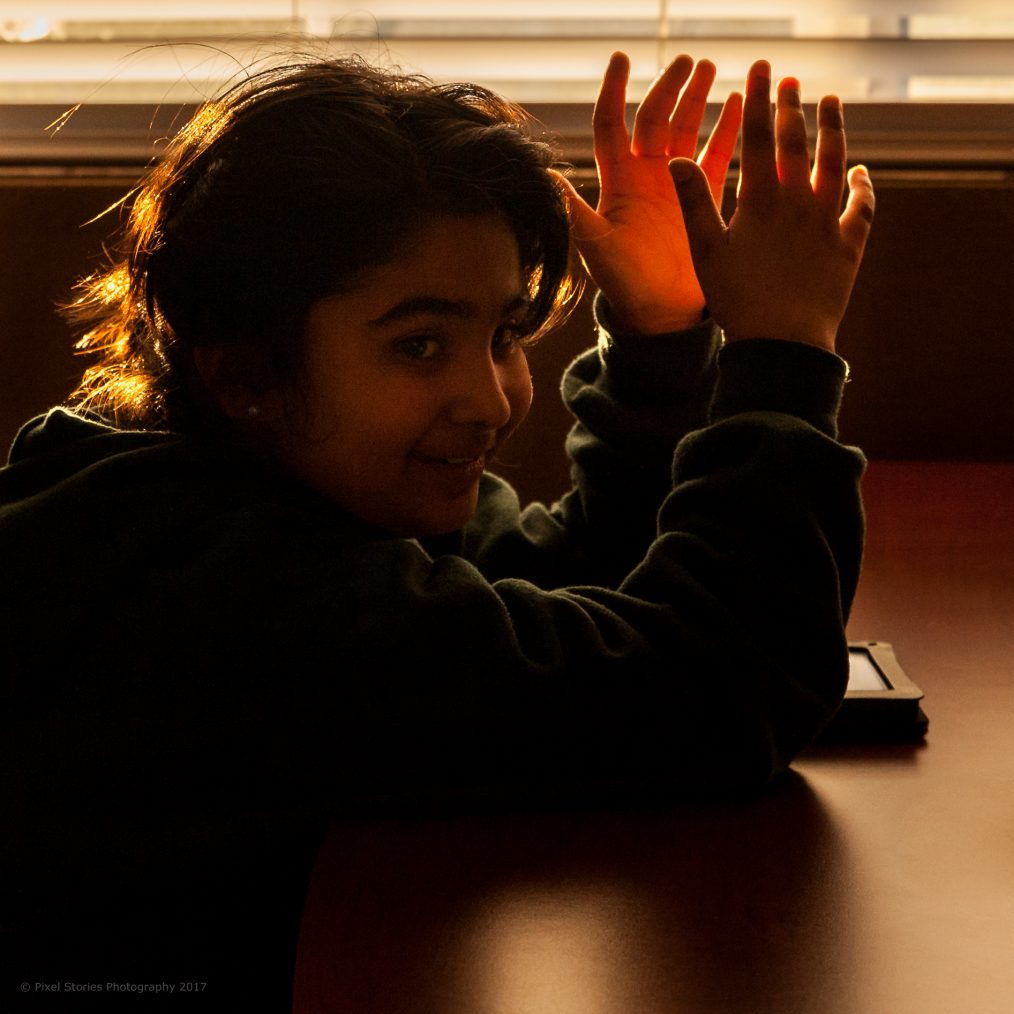
For a correctly exposed image the basic ingredients to get right are color and quantity of light. But what makes the difference between a merely well-exposed image and one that has a dramatic impact is the type of light. In the present context that refers to how the subject is lit. A subject may have frontlighting, or sidelighting, or backlighting, or reflected lighting, and so forth, and depending on the type of lighting the response to each image will be very different.

In general, the mood an image presents is directly tied to the type of light. For instance, an image of a lighthouse taken at sunrise might have frontlighting and will display colors and hues, while an image taken from the same location late in the afternoon might have backlighting and will be more of a play of light and shadows. The reddish glow or golden hue of the light at sunrise adds a mood of inspiration, a new beginning, etc., to the image, while the late afternoon light, which lacks color, calls attention to highlights, shadows, and contrasts.

One of the biggest assets a photographer could possess is the ability to recognize the type of light, to see the light. For some, it is an innate ability, but for the many not so blessed, seeing light can be learned.  There are any number of resources that talk about the types of light and how best to put them to use. An aspiring photographer would do well to invest the time and effort to develop the skill to see light. Put differently, his photographic creativity will start to see light as he learns to see the light.

Sometimes You Just Get Lucky

As a photographer you want to make the best possible photographs, so you take into account a variety of factors before you click the picture. You think about the lighting, you check for background distractions, you note the contrast, and you suggest favorable poses. It takes a bit of time and planning and discussion to get everything just right. That is perhaps a normal way to work a scene or a photo session, and the rewards for your efforts are, hopefully, pleasing photographs.

But for those of us that like to keep things under our control — plan out our shoots in detail, work out the lighting details, design the elements in our frames, etc — it is good, once in a while, to not worry about the details and simply go out and take photos. Instead of worrying about composition, for instance, simply take the photo. Take many photos. Trust your muse. Do it on faith.


Maybe we get in the way of our great photographs. Maybe we need to be absent.

As can be expected from such a photo session, you will find most of the photos lacking in appeal and destined for the delete bin. But you will find too in that digital stash one or two gems, ones in which all the elements have fallen in place and everything — the lighting, the composition, the background — is exactly how you would have wanted them to be had you designed the photograph yourself! I realize it’s hard to believe such things can happen but if my experience is any proof, such things do happen. You don’t want this to become your modus operandi for creative output, of course, but it helps to know that sometimes when it feels like you are not winning, you still might be.

There have been several occasions when I have not felt inspired and yet continued to take photos and I discovered, much to my amazement that, even with me absent, there were a few beauties, stuff I could not have made had I tried hard! Maybe we get in the way of our great photographs. Maybe we need to be absent. I don’t know but while I search for answers all I can say is, “Sometimes you just get lucky!”

Kids + Play = Photo Fun

Kids at play offers photographers endless opportunities for creative engagement. The multitude of emotions kids go through as they go about playing — delight, joy, anger, annoyance, excitement, fear, disappointment — serves up a great palette for the photographer to choose from. Combine that with the dynamic nature of play — movement — and there is no dearth of creative challenges. To capture those fleeting moments a photographer simply needs to be just as engaged as the kids, alert and absorbed in the moment.
Making good photographs of kids is challenging because they don’t generally sit still which means that the photographer — assuming she wants to capture the best angles and the best light — needs to be just as nimble as the kids. And that alone makes it great fun to make pictures of kids at play. The photographer gets to play and be a kid herself! 

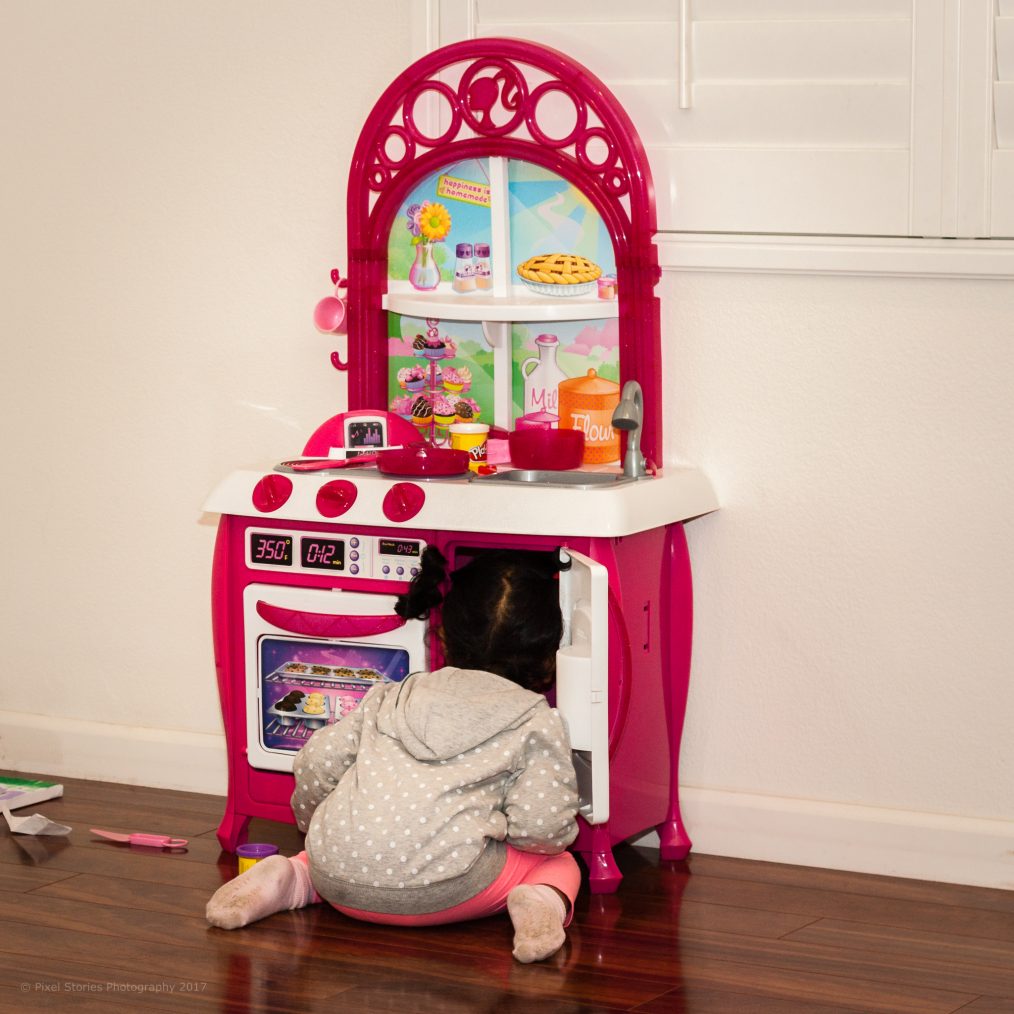
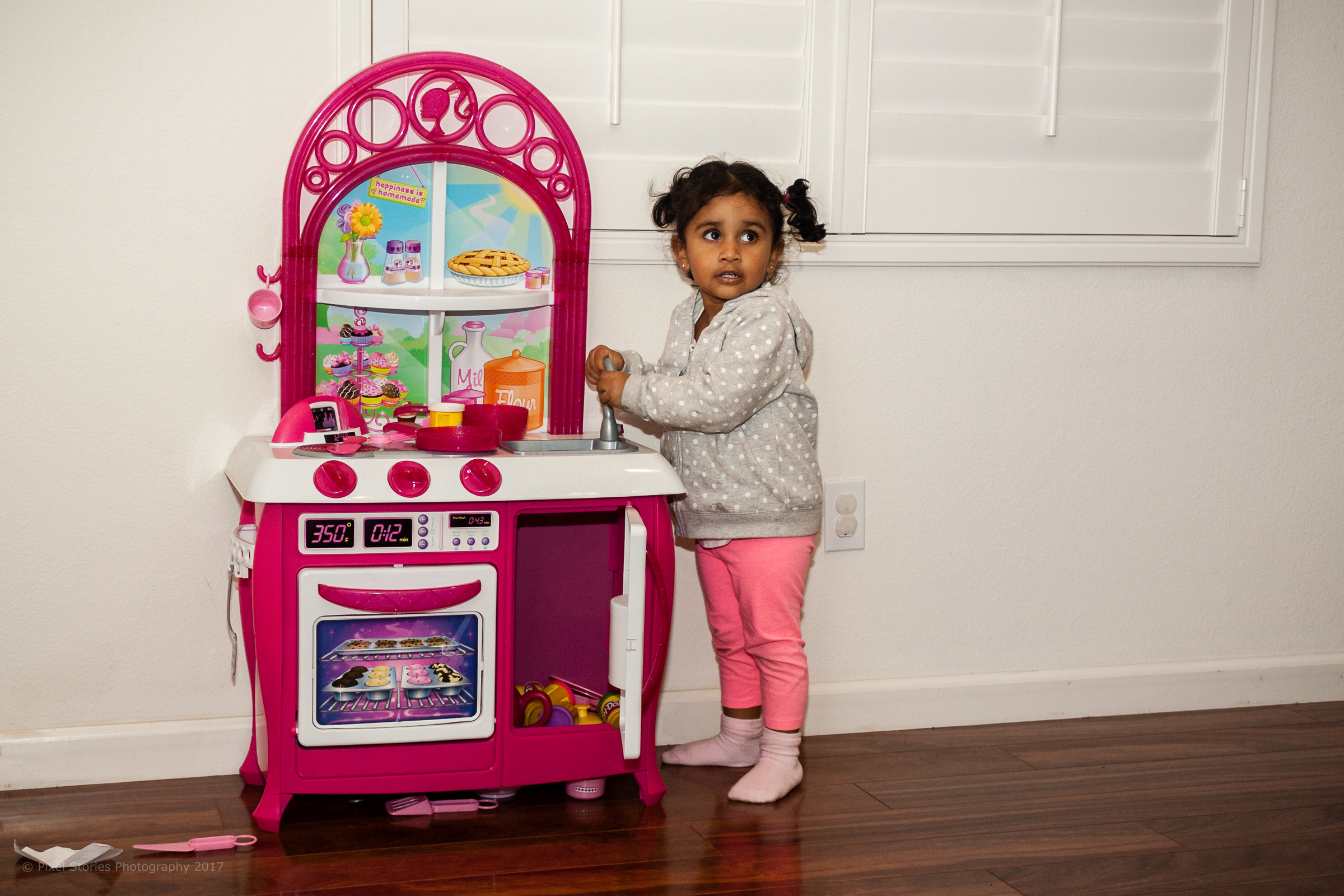
I made these images of a friend’s daughter when they visited us a couple years back. She was, and still is, a firecracker — bustling with energy, curious, and so full of life — and she had taken a fancy for the kitchen playstation. During the whole time she was at our place she was not interested in any other toy. When the family left after dinner, it felt like the calm after a storm. I missed her but also realized how much fun I had all day, thanks to her, playing with her and making pictures of her at play.

Capture Them All

When we make pictures of our children we want them to be cheerful, laughing, or smiling perfectly. But, pardon me for stating what everyone knows is true, the real world works a bit differently? Kids express a wide range of emotions and, as any parent or teacher will tell you, that pendulum can sweep the arc from racking sobs to boisterous prancing in just minutes.

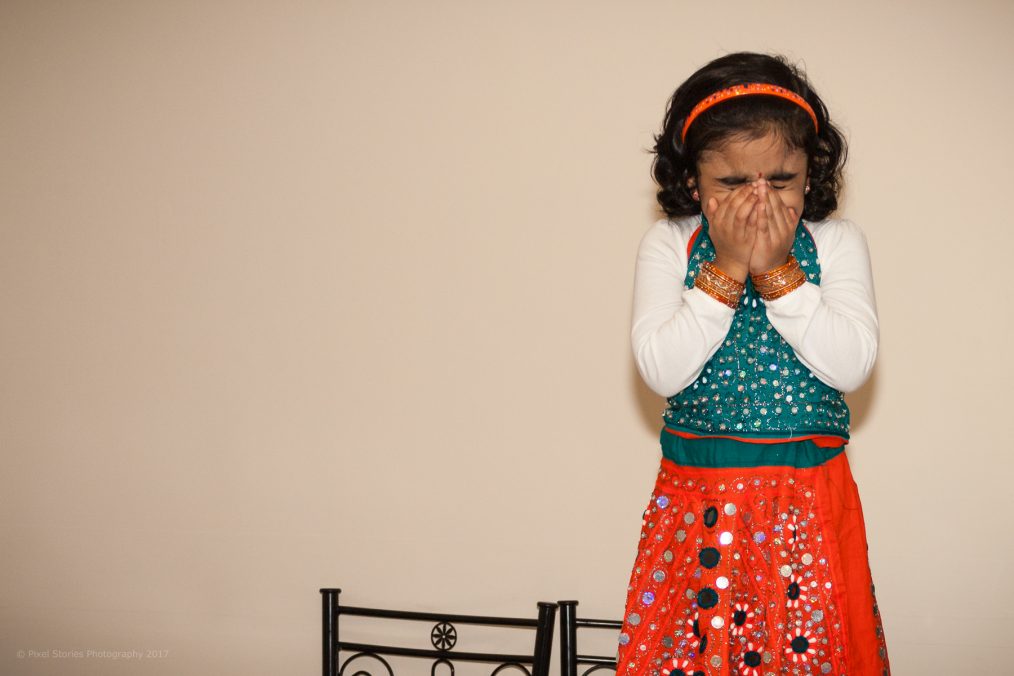
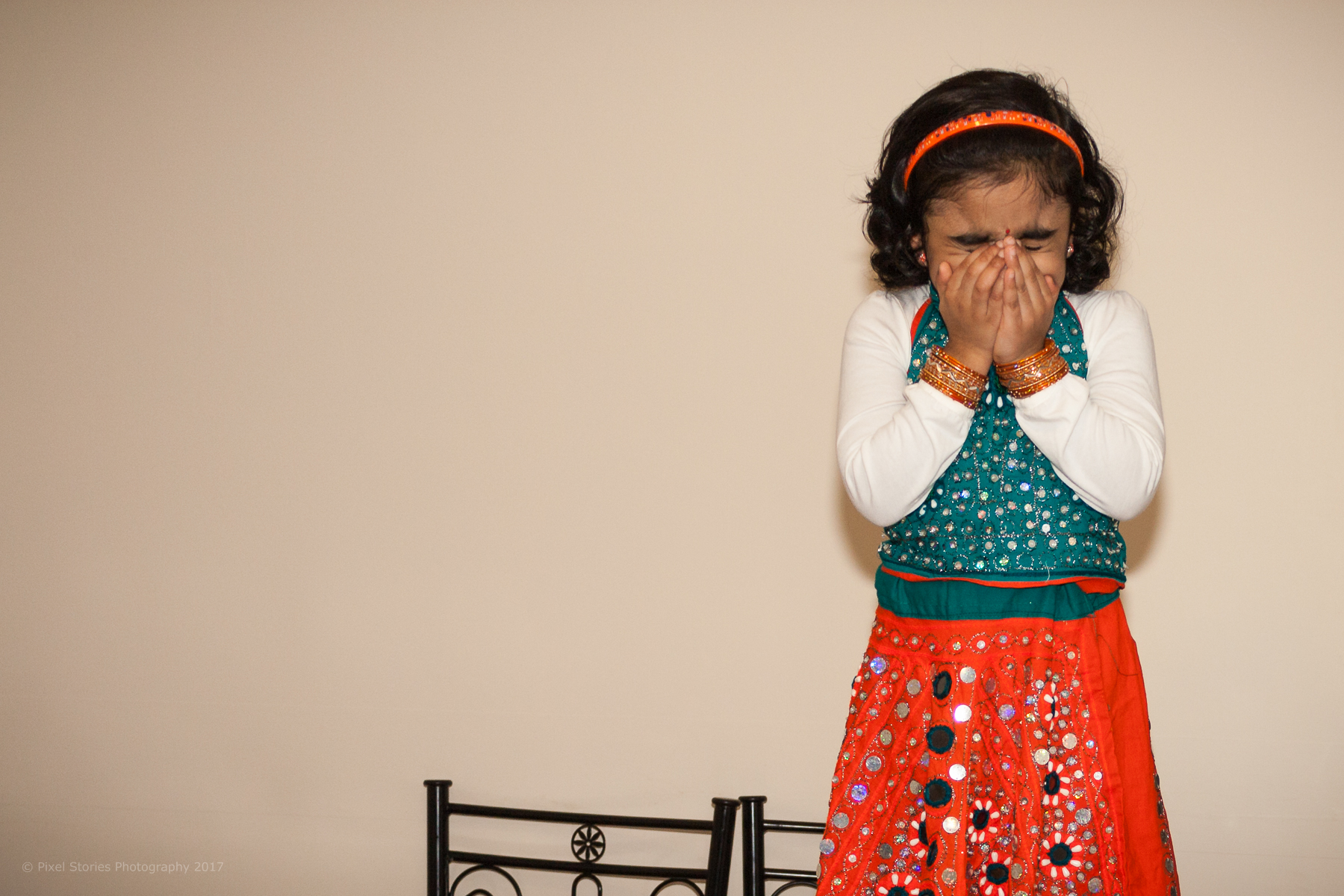
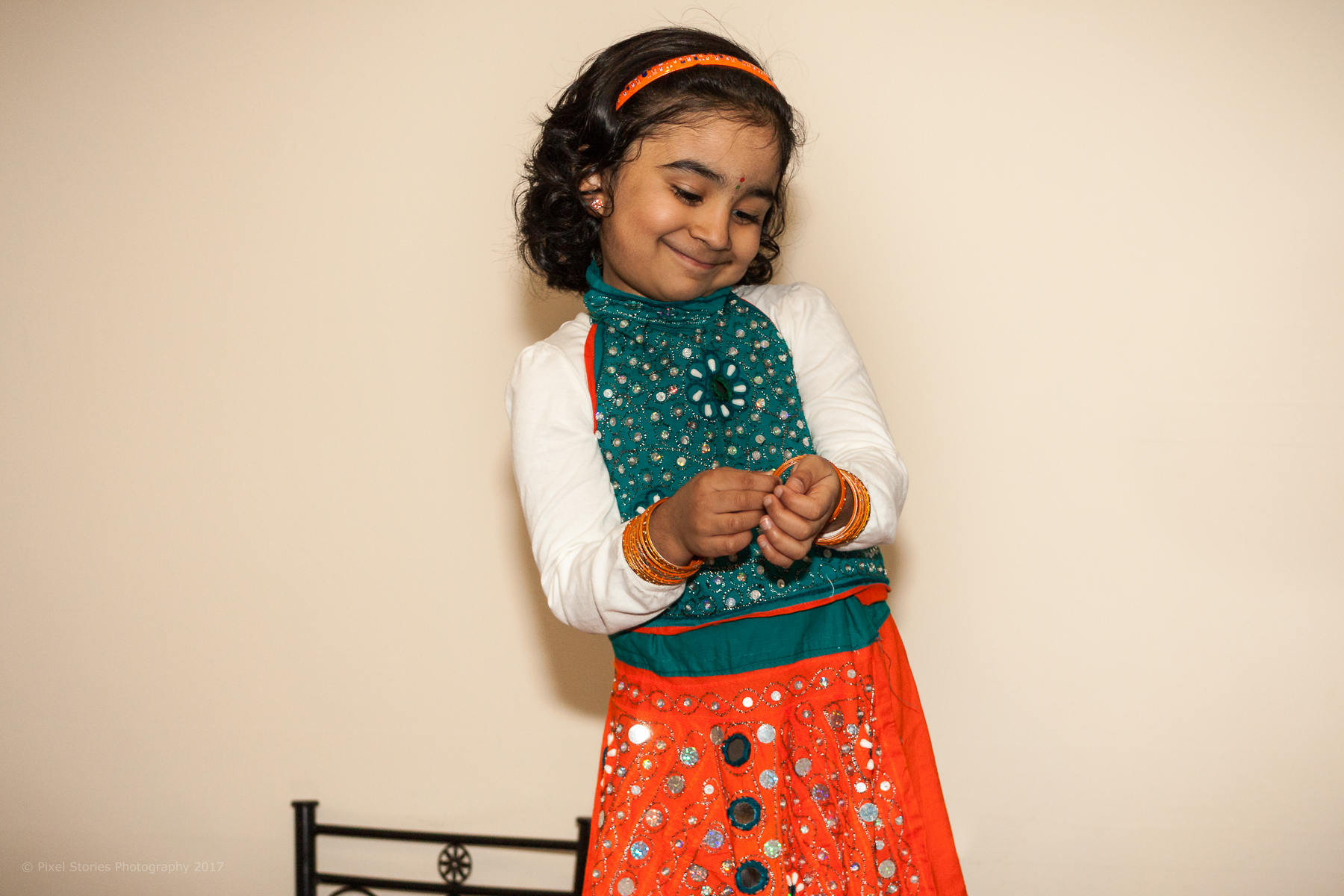
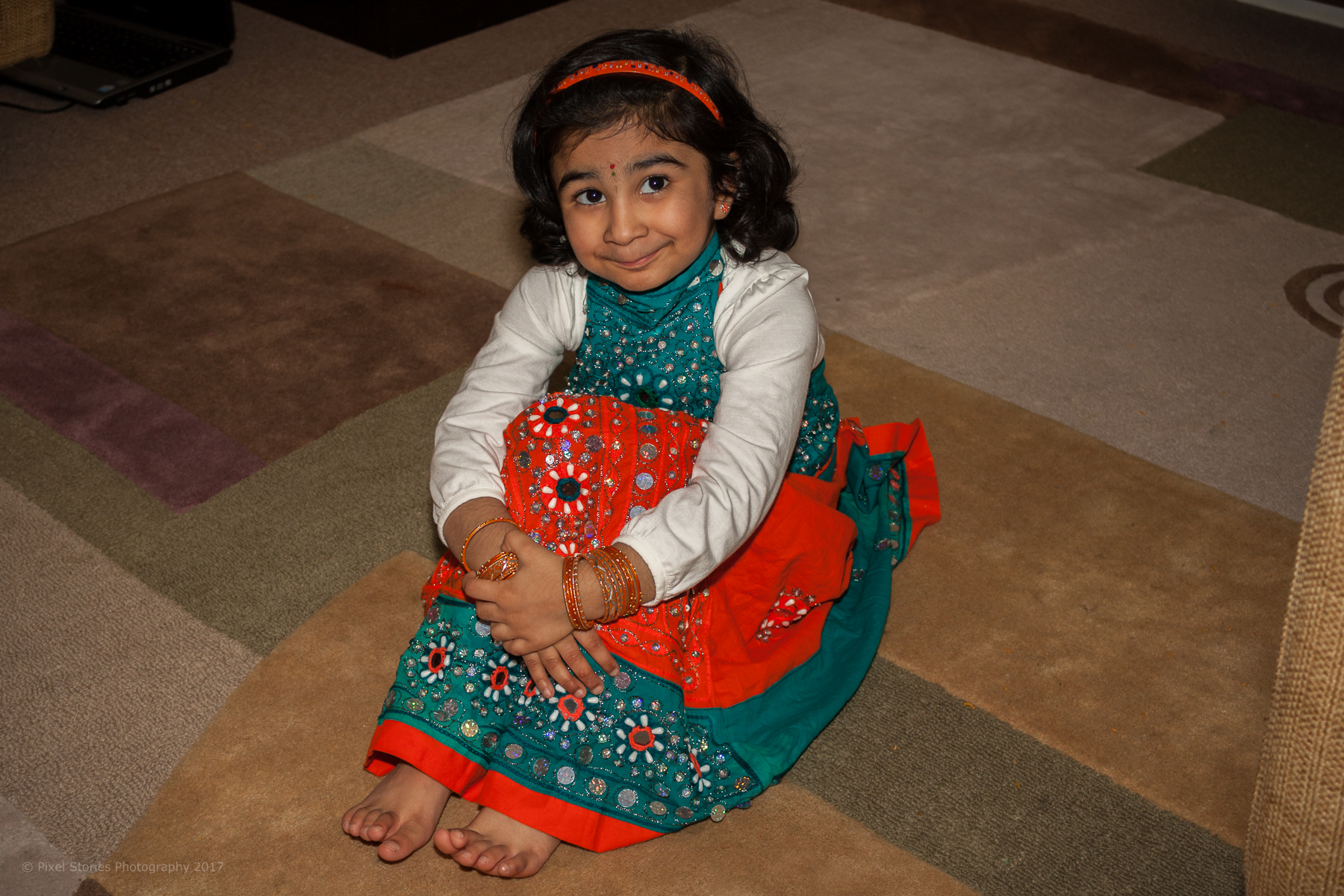
And that was the situation I found myself in one morning as I was trying to make photos of my four year old daughter. She had woken up early and got dressed, excited for her birthday party just hours away.  She was running around in jolly spirits when I scooped her up and plopped her on the table to make pictures of her. And just as I stepped back something upset her and she started complaining and fidgeting and refusing to smile for the camera, which was quite unlike her. Even as she was being uncooperative I kept clicking. A few minutes later I picked her up to calm her down. We talked, and her mood improved. I never did find out what had upset her but in a couple minutes she was back to being her usual chatty, bubbly self, and she ended up posing happily for the camera.


For a photographer all emotions are fair game for capture, especially when the subjects are kids. Even the non-smiling, upset, angry, pouting photographs tell stories that spice up dinner conversations and fuel hilarious recounts at family reunions. So, go ahead, click when they laugh, click when they scream, click when they cry, and click when they blush. Click away. Capture them all!