The Smile

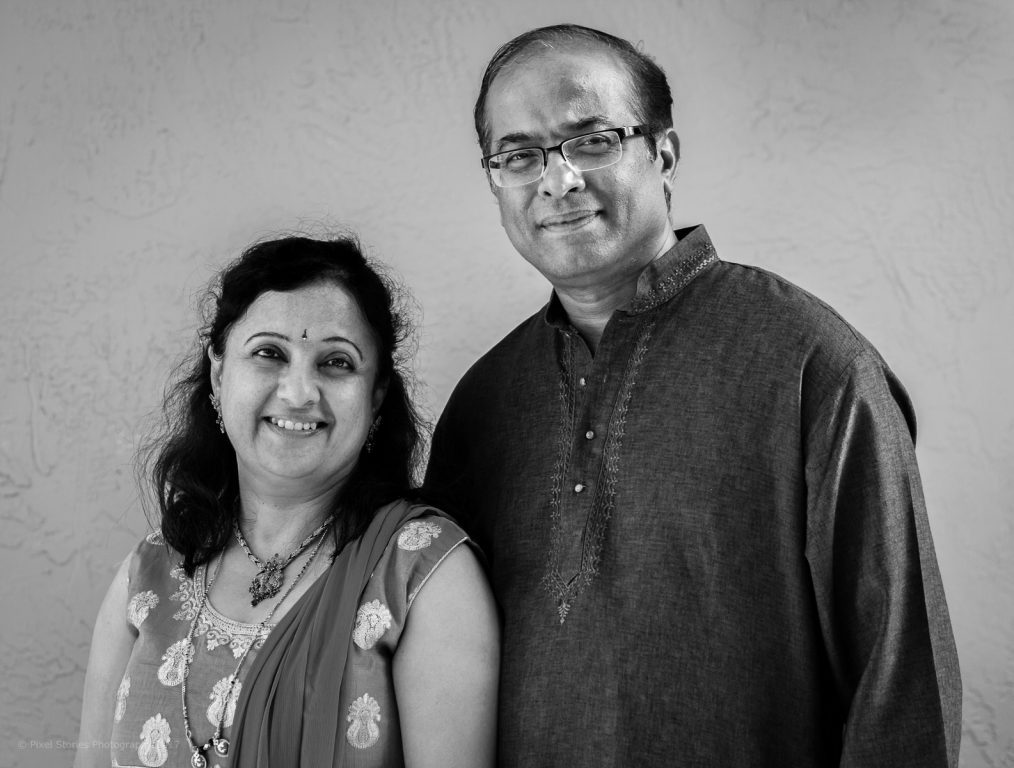
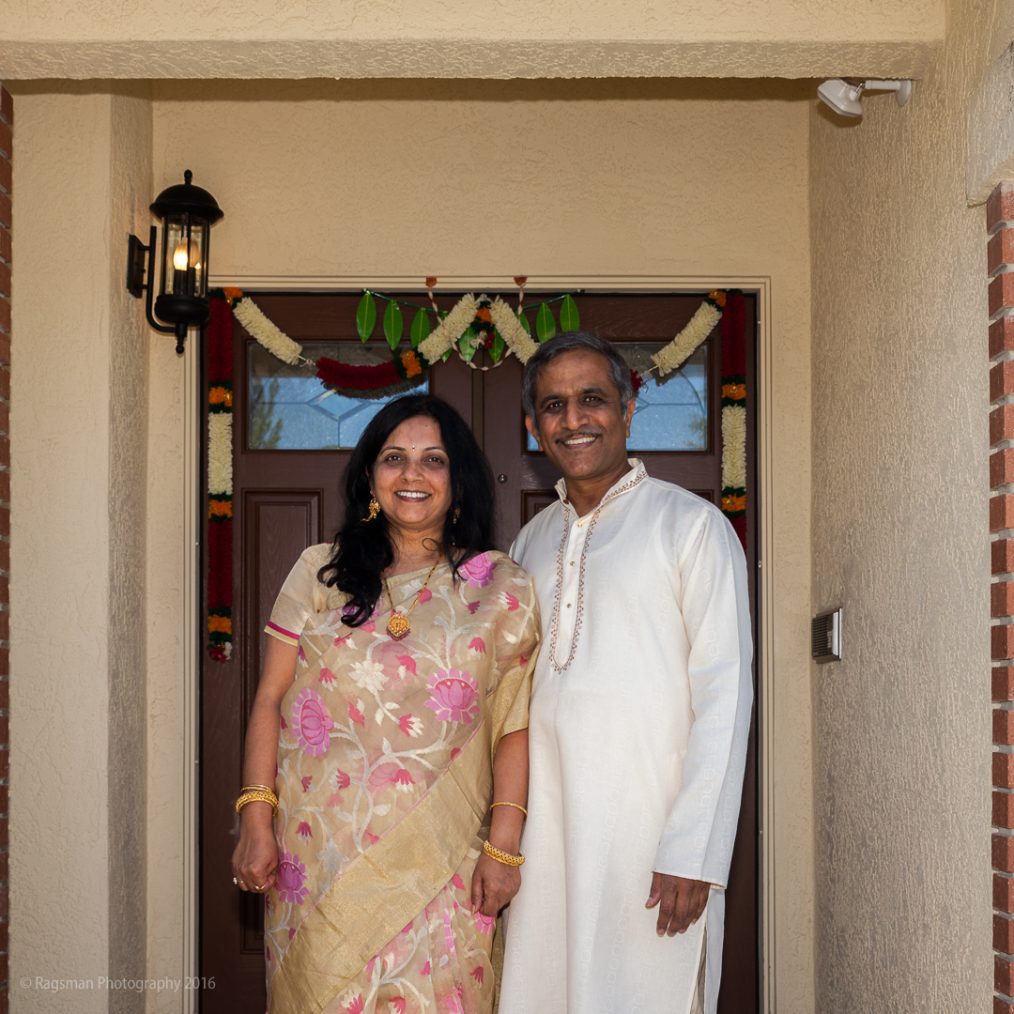
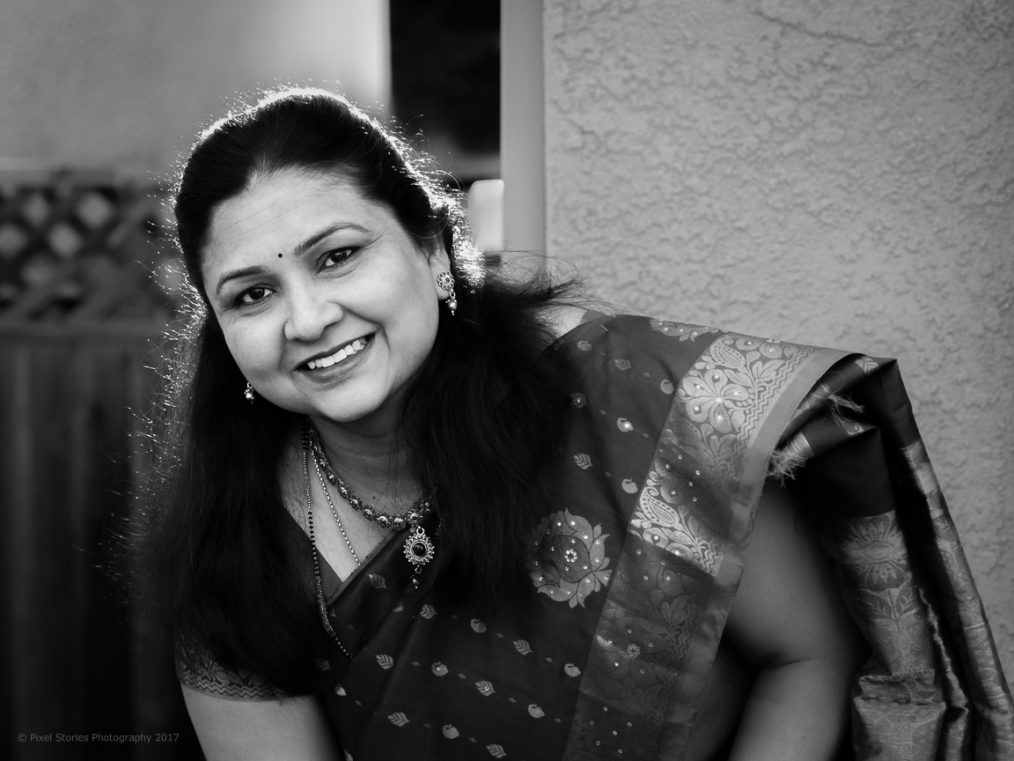
As any photographer worth her salt will readily attest, getting a subject to flash an authentic smile is hard work. But one fine spring morning it turned out to be not much work for me when my girl, decked up in traditional attire and looking beautiful, rewarded me with a great smile. Here’s the back story.

She was rushing out to her friend’s place for an event and a last task for her was to gather flowers from the backyard garden. She was looking lovely, and being one to never miss a chance to shoot pictures I chased after her, camera in hand, pleading with her to pose for a few shots. She refused, saying she was running late and promising to pose later. I backed off, a bit disappointed, but stayed in the garden watching her pluck flowers, admiring her beauty and thinking to myself how lucky I was that she had been part of my life all these many years.

And then I noticed the sunlight streaming through her hair. It was a classic backlit scene! Right then I decided I was not going to let this photo opportunity slip by and raised my camera, ready to fire away a few shots. She looked up momentarily, realized I was not going to give up, and smiled and, as they say, the rest is history. I got the shots!

That smile from my girl? I chalked it up to my muse smiling on me.

It’s a tricky one, the smile business, but once in a while it works like a charm!
Stories Of The Growing Up Years

As young parents we take lots of pictures of our babies. We take pictures when they are asleep, we take pictures of their toothless smiles, and we take pictures of their first steps. Each day we rejoice in new discoveries about our baby. For some of us there are not enough pictures we can take of the precious ones.

But as our babies grow into toddlers, into kindergartners, and into grade school students, us parents also get saddled with greater responsibilities that take up a greater share of our time and attention, and taking pictures of kids becomes, at best, a luxury. It ranks low on the list of things to do. And too late we discover that the kids are all grown up, all too fast, and there is nary a record of where and how things were when we were running around trying to balance life at work and home.

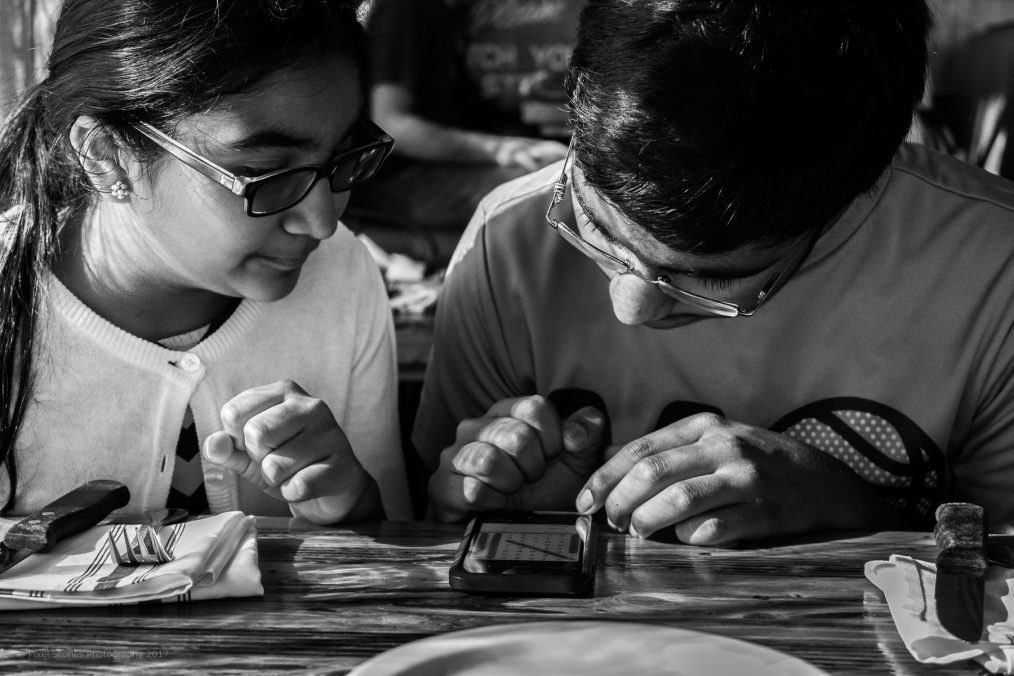
Having a camera handy and every once in a while taking a few pictures of kids as they go about their daily activities goes a long way towards building a documentary of their growing up years. Taking those pictures need not be intrusive or disruptive — they are made with no expectations. But they remain, the moment recorded for posterity, to be savored at leisure. In fact, those spontaneous, spur of the moment pictures turn out to be the best ones!

In later years those pictures bring back to memory long forgotten stories. Parents can look back and take pride in how they managed to juggle career and caregiving and how the kids turned out. The kids, now grown up, can connect with their past, marvel at the wonder years of their childhood, their favorite toys, their teachers, the friends they played with, and the fun family camping trips they never knew happened.

Every now and then break away for brief moments from your busy routine to grab a few pixels. Yes, it will all be worth it.

Making The Connection

This one is more for me than for you. It is meant to serve as a reminder, a must-do, for a stronger practice of photography.

I feel this is important: a photographer aspiring to make photographs that elicit a deeper emotional response must, before anything else, do this: connect with the subject. And by connect I mean, to foster a relationship, even for the short term, where the subject feels relaxed, calm, and open to possibilities.

This talk about making the connection may sound trivial or clichéd but it is folly to dismiss the positive impact it brings to the photograph. If a photograph does not compel a second glance then, very likely, the photographer never connected with the subject. On the other hand, a photographer who connects early on has already won half the battle towards making a more impactful photograph and is free to focus on the complementary technical aspects of poses and angles and lighting.

A photograph is long remembered not for correct exposure but for the authenticity of spirit that shines through, not for perfect lighting but for the essence of character that pours forth, not for sharpness of features but for story that touches the heart. I am not suggesting that technical factors are not important. They are, and to the extent they are well taken care of they strip away distractions and leave the viewer to experience just the story. Still, they come a distant second behind the emotional content and the story that define the photograph.

How does a photographer go about making the connection? The famous 20th century portrait photographer, Yousuf Karsh, used to study the work of his famous and not-so-famous subjects and observe them at work.  His intent was to understand as much about them as he could. The behind-the-scenes work of studying his subjects informed his studio lighting and helped him formulate poses. During the photo sessions he would converse with his subjects on topics he had learned about from studying their work. The result: iconic photographs!

While most of us may never experience the acclaim Karsh received, we can all certainly aspire to make great photographs. And to that end we, as photographers, benefit greatly knowing that making the connection — and putting that knowledge into practice — is an indispensable ingredient to making great photographs. It requires us to invest effort but the returns come back several times multiplied.

Here then are the simple steps to making the connection, to channel your inner Karsh if you will: study the subject beforehand, get to know them, and as you work to make their photographs engage them in conversations.

I said simple. I did not say easy.