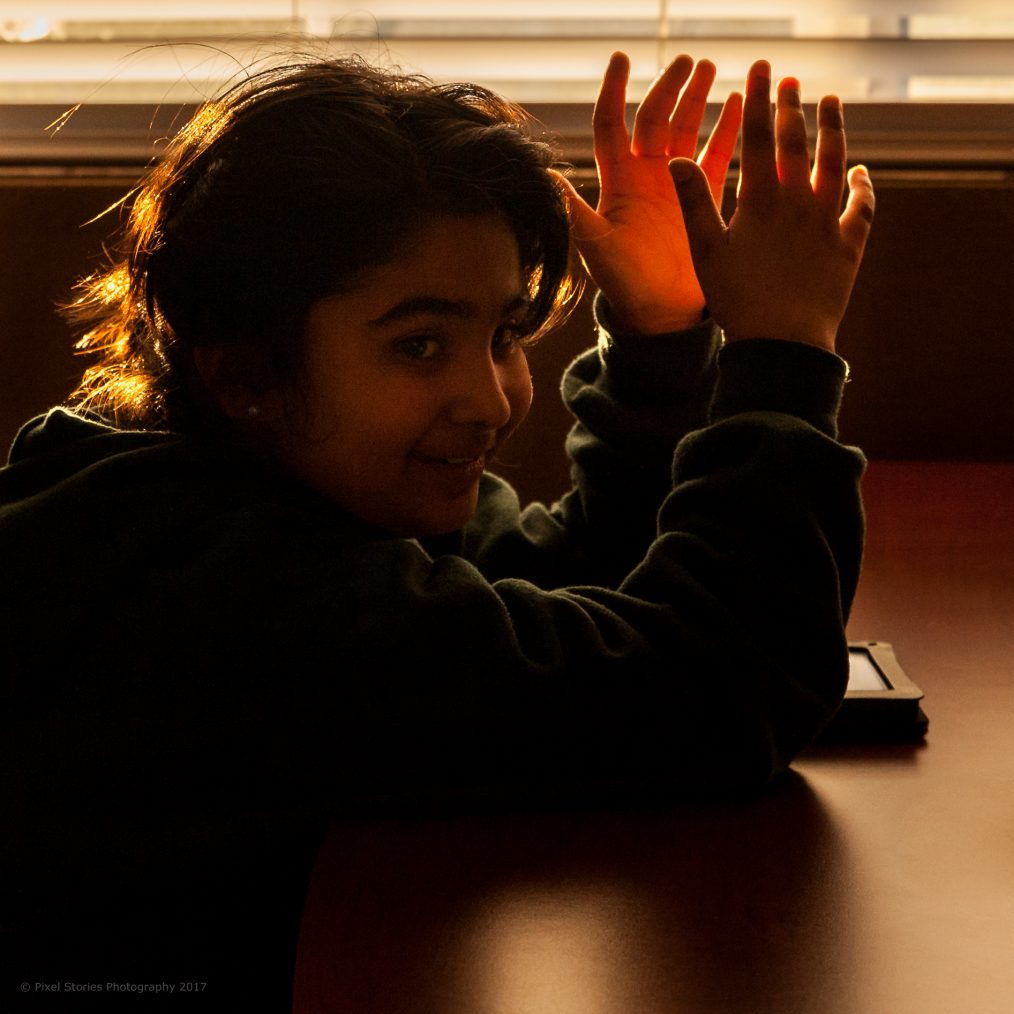
Seeing Light

The realization dawned on me, rather embarrassingly late, that photography is all about light. Well, that’s not entirely true. Of course, I knew that photography is all about light, but it was late in the game when I realized that the response an image evokes in a viewer depends on the type of the light.

For a correctly exposed image the basic ingredients to get right are color and quantity of light. But what makes the difference between a merely well-exposed image and one that has a dramatic impact is the type of light. In the present context that refers to how the subject is lit. A subject may have frontlighting, or sidelighting, or backlighting, or reflected lighting, and so forth, and depending on the type of lighting the response to each image will be very different.

In general, the mood an image presents is directly tied to the type of light. For instance, an image of a lighthouse taken at sunrise might have frontlighting and will display colors and hues, while an image taken from the same location late in the afternoon might have backlighting and will be more of a play of light and shadows. The reddish glow or golden hue of the light at sunrise adds a mood of inspiration, a new beginning, etc., to the image, while the late afternoon light, which lacks color, calls attention to highlights, shadows, and contrasts.

One of the biggest assets a photographer could possess is the ability to recognize the type of light, to see the light. For some, it is an innate ability, but for the many not so blessed, seeing light can be learned.  There are any number of resources that talk about the types of light and how best to put them to use. An aspiring photographer would do well to invest the time and effort to develop the skill to see light. Put differently, his photographic creativity will start to see light as he learns to see the light.

Sometimes You Just Get Lucky

As a photographer you want to make the best possible photographs, so you take into account a variety of factors before you click the picture. You think about the lighting, you check for background distractions, you note the contrast, and you suggest favorable poses. It takes a bit of time and planning and discussion to get everything just right. That is perhaps a normal way to work a scene or a photo session, and the rewards for your efforts are, hopefully, pleasing photographs.

But for those of us that like to keep things under our control — plan out our shoots in detail, work out the lighting details, design the elements in our frames, etc — it is good, once in a while, to not worry about the details and simply go out and take photos. Instead of worrying about composition, for instance, simply take the photo. Take many photos. Trust your muse. Do it on faith.


Maybe we get in the way of our great photographs. Maybe we need to be absent.

As can be expected from such a photo session, you will find most of the photos lacking in appeal and destined for the delete bin. But you will find too in that digital stash one or two gems, ones in which all the elements have fallen in place and everything — the lighting, the composition, the background — is exactly how you would have wanted them to be had you designed the photograph yourself! I realize it’s hard to believe such things can happen but if my experience is any proof, such things do happen. You don’t want this to become your modus operandi for creative output, of course, but it helps to know that sometimes when it feels like you are not winning, you still might be.

There have been several occasions when I have not felt inspired and yet continued to take photos and I discovered, much to my amazement that, even with me absent, there were a few beauties, stuff I could not have made had I tried hard! Maybe we get in the way of our great photographs. Maybe we need to be absent. I don’t know but while I search for answers all I can say is, “Sometimes you just get lucky!”

Kids + Play = Photo Fun

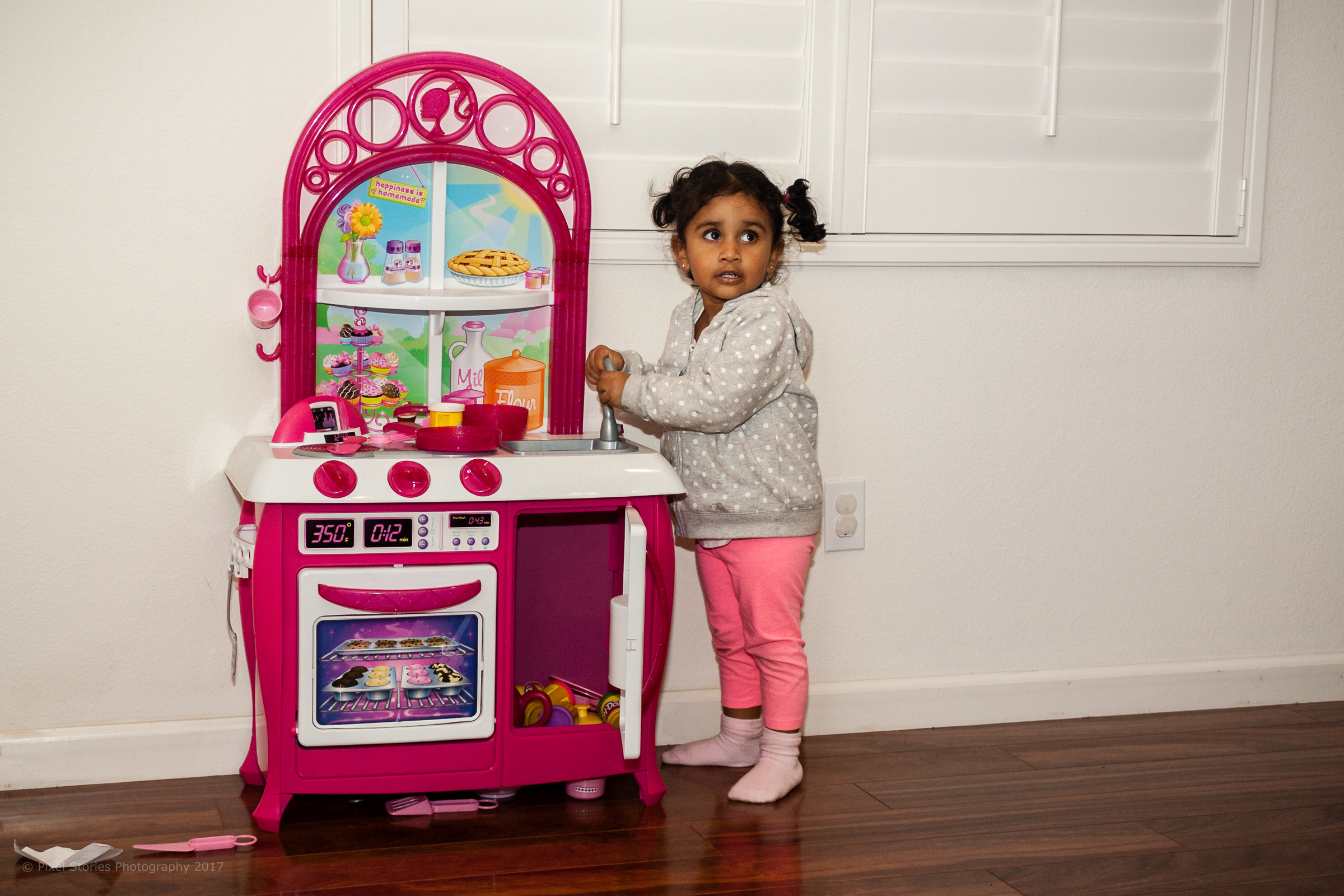
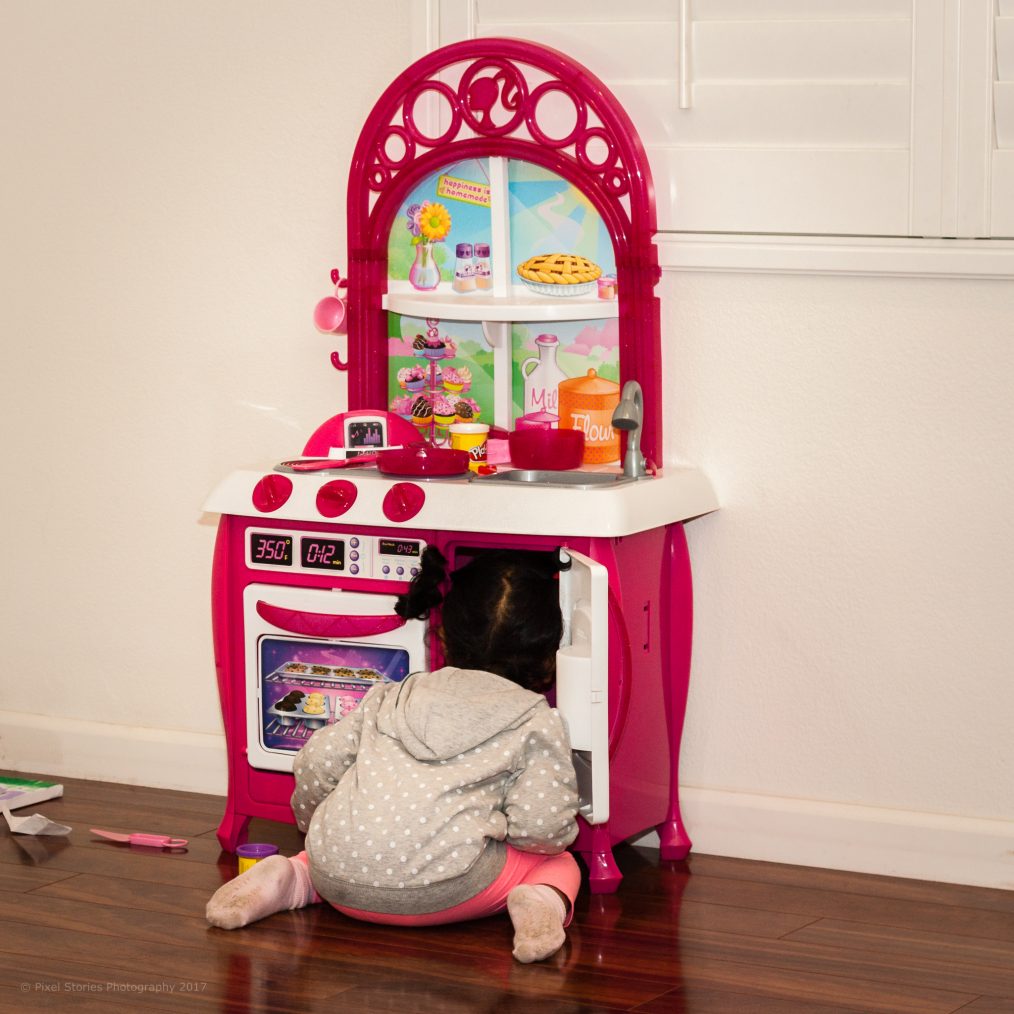
Kids at play offers photographers endless opportunities for creative engagement. The multitude of emotions kids go through as they go about playing — delight, joy, anger, annoyance, excitement, fear, disappointment — serves up a great palette for the photographer to choose from. Combine that with the dynamic nature of play — movement — and there is no dearth of creative challenges. To capture those fleeting moments a photographer simply needs to be just as engaged as the kids, alert and absorbed in the moment.
Making good photographs of kids is challenging because they don’t generally sit still which means that the photographer — assuming she wants to capture the best angles and the best light — needs to be just as nimble as the kids. And that alone makes it great fun to make pictures of kids at play. The photographer gets to play and be a kid herself! 

I made these images of a friend’s daughter when they visited us a couple years back. She was, and still is, a firecracker — bustling with energy, curious, and so full of life — and she had taken a fancy for the kitchen playstation. During the whole time she was at our place she was not interested in any other toy. When the family left after dinner, it felt like the calm after a storm. I missed her but also realized how much fun I had all day, thanks to her, playing with her and making pictures of her at play.

Capture Them All

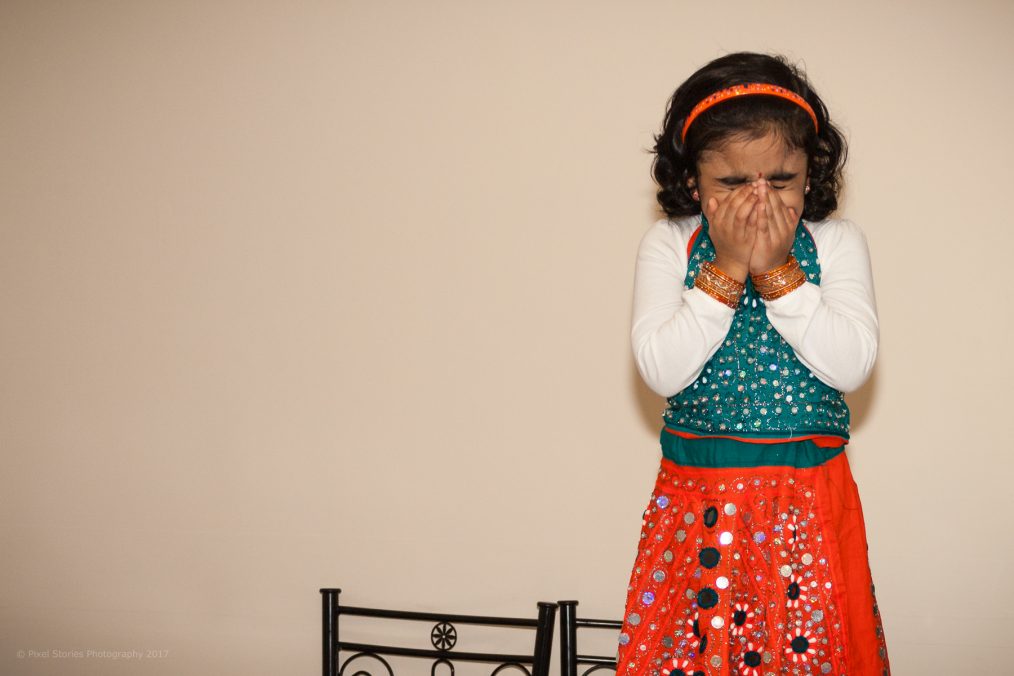
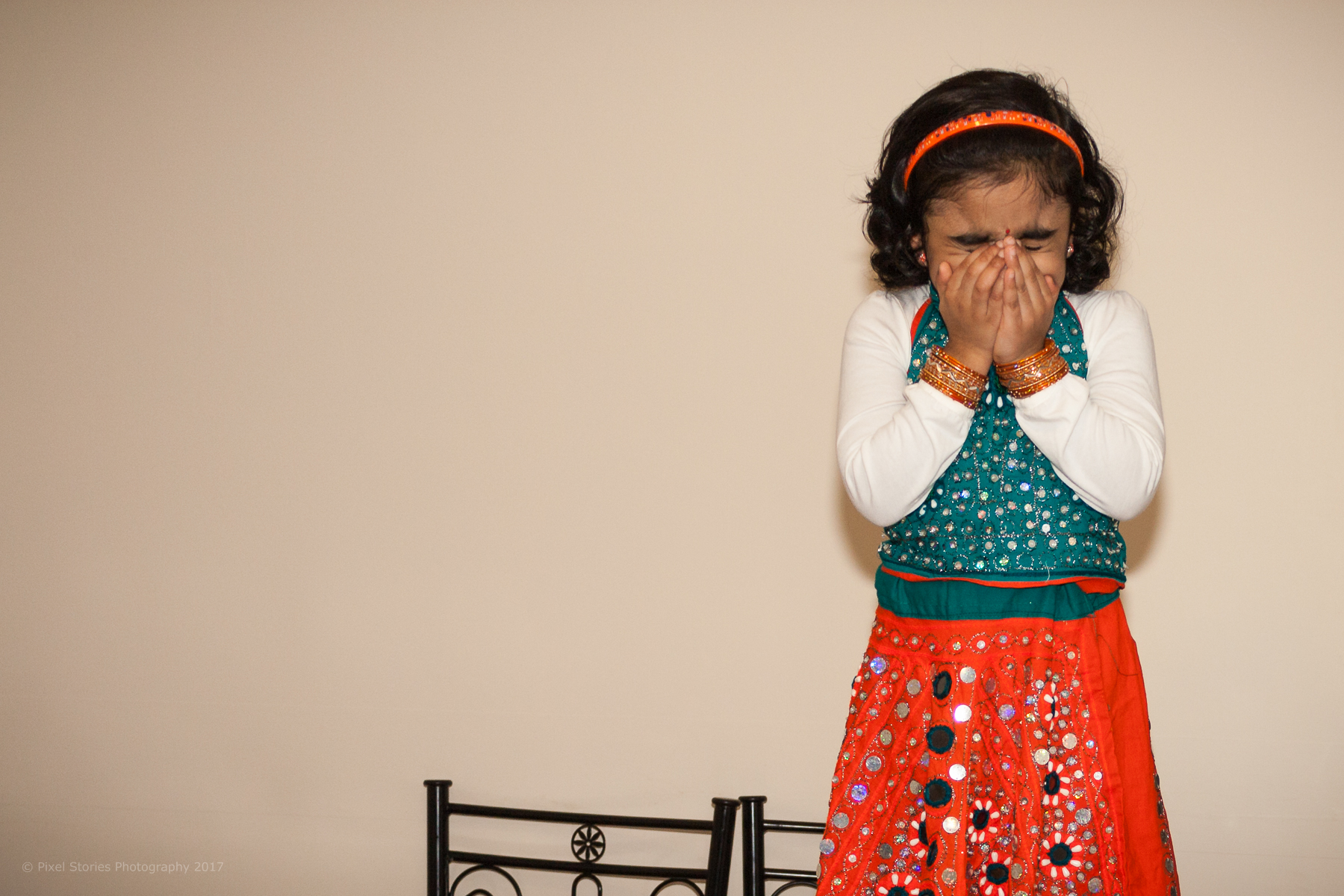
When we make pictures of our children we want them to be cheerful, laughing, or smiling perfectly. But, pardon me for stating what everyone knows is true, the real world works a bit differently? Kids express a wide range of emotions and, as any parent or teacher will tell you, that pendulum can sweep the arc from racking sobs to boisterous prancing in just minutes.

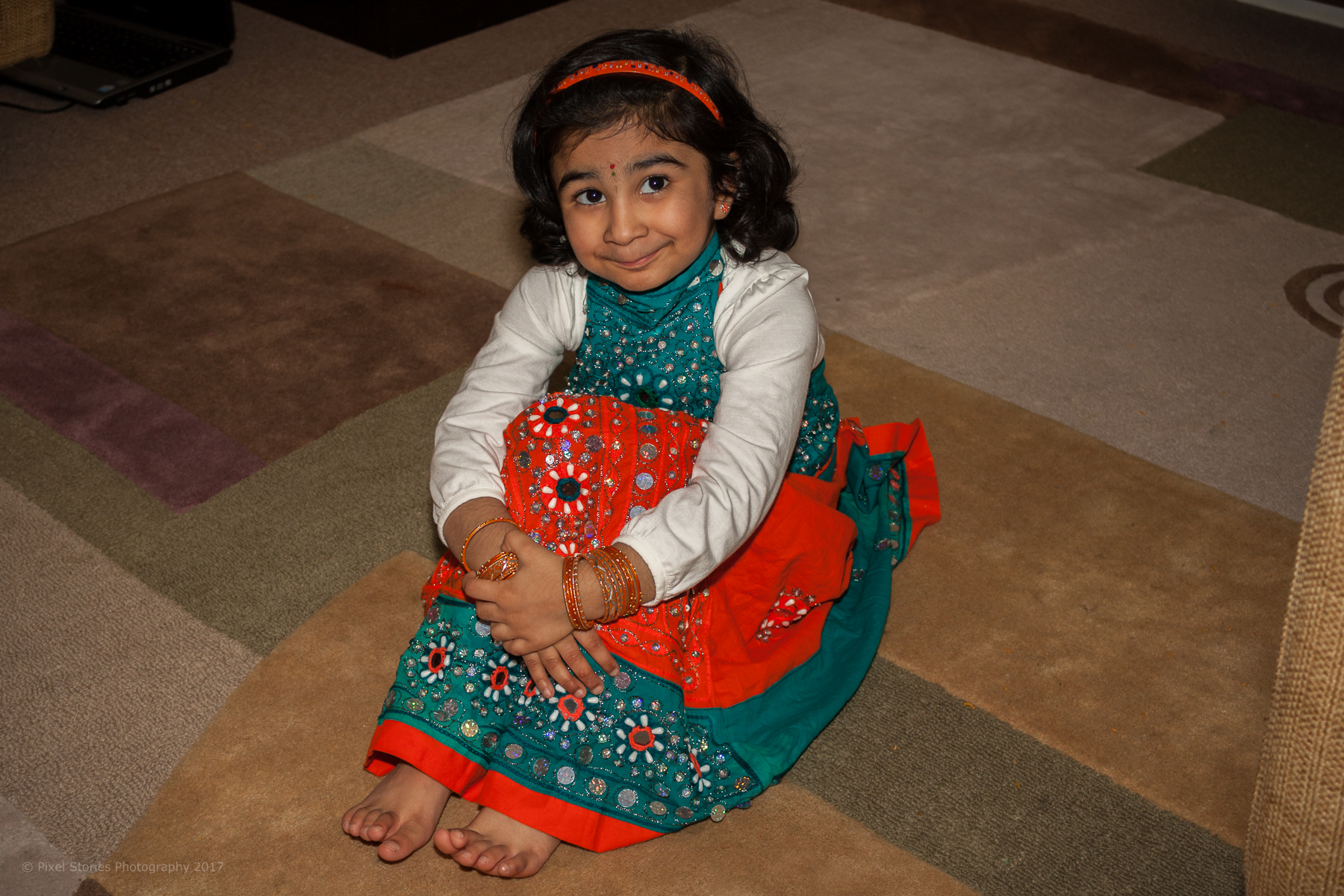
And that was the situation I found myself in one morning as I was trying to make photos of my four year old daughter. She had woken up early and got dressed, excited for her birthday party just hours away.  She was running around in jolly spirits when I scooped her up and plopped her on the table to make pictures of her. And just as I stepped back something upset her and she started complaining and fidgeting and refusing to smile for the camera, which was quite unlike her. Even as she was being uncooperative I kept clicking. A few minutes later I picked her up to calm her down. We talked, and her mood improved. I never did find out what had upset her but in a couple minutes she was back to being her usual chatty, bubbly self, and she ended up posing happily for the camera.


For a photographer all emotions are fair game for capture, especially when the subjects are kids. Even the non-smiling, upset, angry, pouting photographs tell stories that spice up dinner conversations and fuel hilarious recounts at family reunions. So, go ahead, click when they laugh, click when they scream, click when they cry, and click when they blush. Click away. Capture them all!

The Smile

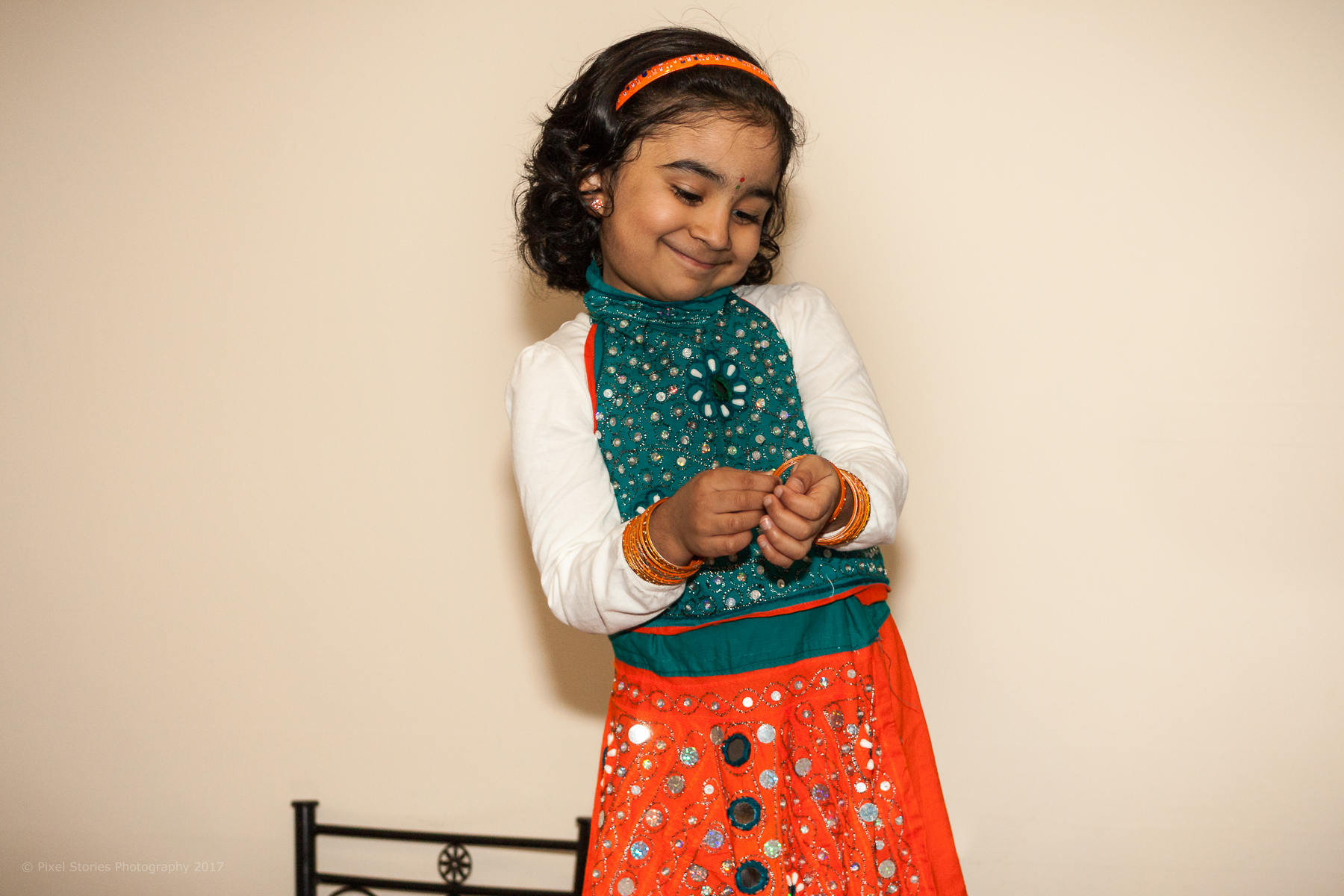
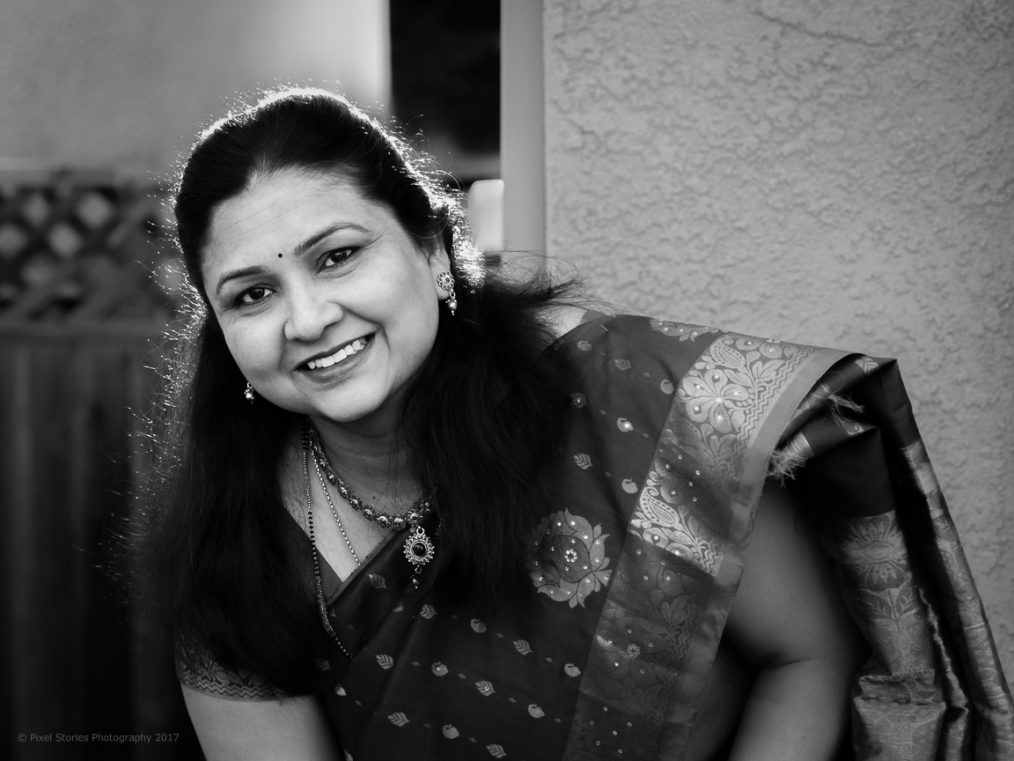
As any photographer worth her salt will readily attest, getting a subject to flash an authentic smile is hard work. But one fine spring morning it turned out to be not much work for me when my girl, decked up in traditional attire and looking beautiful, rewarded me with a great smile. Here’s the back story.

She was rushing out to her friend’s place for an event and a last task for her was to gather flowers from the backyard garden. She was looking lovely, and being one to never miss a chance to shoot pictures I chased after her, camera in hand, pleading with her to pose for a few shots. She refused, saying she was running late and promising to pose later. I backed off, a bit disappointed, but stayed in the garden watching her pluck flowers, admiring her beauty and thinking to myself how lucky I was that she had been part of my life all these many years.

And then I noticed the sunlight streaming through her hair. It was a classic backlit scene! Right then I decided I was not going to let this photo opportunity slip by and raised my camera, ready to fire away a few shots. She looked up momentarily, realized I was not going to give up, and smiled and, as they say, the rest is history. I got the shots!

That smile from my girl? I chalked it up to my muse smiling on me.

It’s a tricky one, the smile business, but once in a while it works like a charm!

Stories Of The Growing Up Years

As young parents we take lots of pictures of our babies. We take pictures when they are asleep, we take pictures of their toothless smiles, and we take pictures of their first steps. Each day we rejoice in new discoveries about our baby. For some of us there are not enough pictures we can take of the precious ones.

But as our babies grow into toddlers, into kindergartners, and into grade school students, us parents also get saddled with greater responsibilities that take up a greater share of our time and attention, and taking pictures of kids becomes, at best, a luxury. It ranks low on the list of things to do. And too late we discover that the kids are all grown up, all too fast, and there is nary a record of where and how things were when we were running around trying to balance life at work and home.

Having a camera handy and every once in a while taking a few pictures of kids as they go about their daily activities goes a long way towards building a documentary of their growing up years. Taking those pictures need not be intrusive or disruptive — they are made with no expectations. But they remain, the moment recorded for posterity, to be savored at leisure. In fact, those spontaneous, spur of the moment pictures turn out to be the best ones!

In later years those pictures bring back to memory long forgotten stories. Parents can look back and take pride in how they managed to juggle career and caregiving and how the kids turned out. The kids, now grown up, can connect with their past, marvel at the wonder years of their childhood, their favorite toys, their teachers, the friends they played with, and the fun family camping trips they never knew happened.

Every now and then break away for brief moments from your busy routine to grab a few pixels. Yes, it will all be worth it.

Making The Connection

This one is more for me than for you. It is meant to serve as a reminder, a must-do, for a stronger practice of photography.

I feel this is important: a photographer aspiring to make photographs that elicit a deeper emotional response must, before anything else, do this: connect with the subject. And by connect I mean, to foster a relationship, even for the short term, where the subject feels relaxed, calm, and open to possibilities.

This talk about making the connection may sound trivial or clichéd but it is folly to dismiss the positive impact it brings to the photograph. If a photograph does not compel a second glance then, very likely, the photographer never connected with the subject. On the other hand, a photographer who connects early on has already won half the battle towards making a more impactful photograph and is free to focus on the complementary technical aspects of poses and angles and lighting.

A photograph is long remembered not for correct exposure but for the authenticity of spirit that shines through, not for perfect lighting but for the essence of character that pours forth, not for sharpness of features but for story that touches the heart. I am not suggesting that technical factors are not important. They are, and to the extent they are well taken care of they strip away distractions and leave the viewer to experience just the story. Still, they come a distant second behind the emotional content and the story that define the photograph.

How does a photographer go about making the connection? The famous 20th century portrait photographer, Yousuf Karsh, used to study the work of his famous and not-so-famous subjects and observe them at work.  His intent was to understand as much about them as he could. The behind-the-scenes work of studying his subjects informed his studio lighting and helped him formulate poses. During the photo sessions he would converse with his subjects on topics he had learned about from studying their work. The result: iconic photographs!

While most of us may never experience the acclaim Karsh received, we can all certainly aspire to make great photographs. And to that end we, as photographers, benefit greatly knowing that making the connection — and putting that knowledge into practice — is an indispensable ingredient to making great photographs. It requires us to invest effort but the returns come back several times multiplied.

Here then are the simple steps to making the connection, to channel your inner Karsh if you will: study the subject beforehand, get to know them, and as you work to make their photographs engage them in conversations.

I said simple. I did not say easy.