
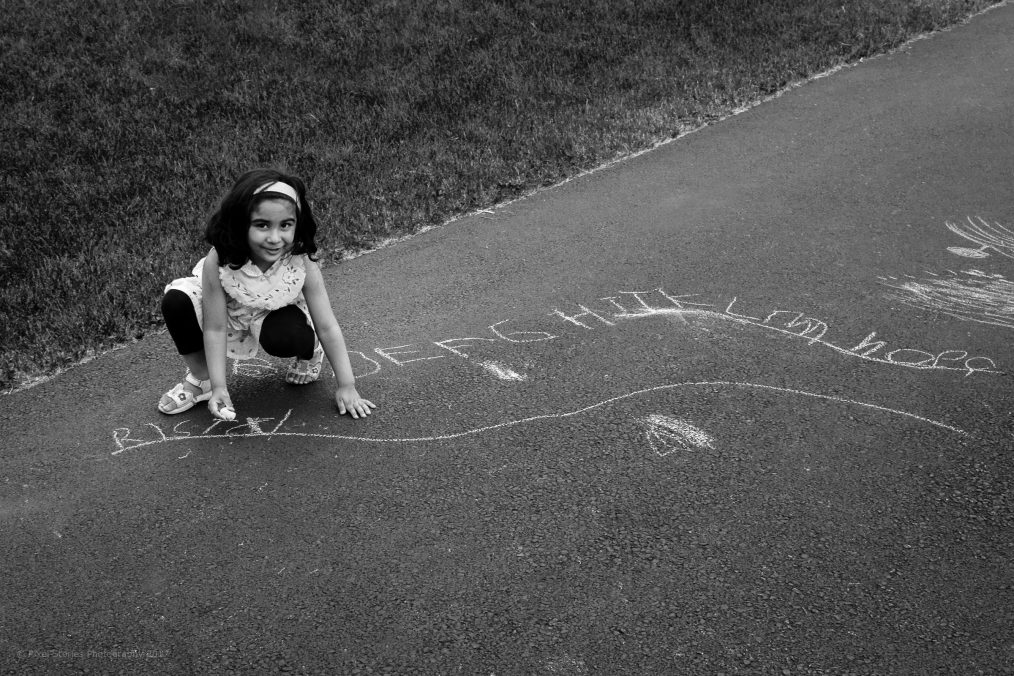
I know I am wading into murky waters with this one, and while I may not be alone in thinking it, I suspect I am in the minority when I say this: we teach our kids too little art.
I am no expert on matters of education, but seeing what my kids learn at school, it seems to me that, art is almost an afterthought. Art — I am using the word broadly to include music, sculpting, dance, drama, and so on — is relegated to the bottom of the list, below math and science. Parents too — with the best intentions, of course — encourage their children to prioritize math and science. “Study for tomorrow’s science quiz,” they say, “the art piece you are painting now can wait.” Admonitions like these, repeated over the years, condition the young minds to view the place of art in life as secondary to other pursuits. Which is unfortunate because art needs to be, at minimum, on par with those supposedly more important pursuits.
But, truly, art delights and enriches life. It is the antidote to the drudgery of daily living, and to the extent parents encourage their children to do art they also encourage them to be creative, to see the beauty around them.
In an increasingly virtual world, art is a bridge to the real world, art keeps us human.
Since no age is too early to teach art, may I suggest, dear parents, to teach your young ones to paint with light? Simply hand them your smartphone and let them loose. Let them take pictures around the house, at the park, in the backyard. Aside from giving your eyes a break from staring at your screens, watching your child dash around shooting pictures will, at least for a few moments, let you experience the real world. And as you bond with her, oohing and aahing over the pictures she took, you will be teaching her, in a subtle way, about beauty and art. If your kids are older, hand them your old camera, show them how to operate it, and tell them to build a portfolio of a subject they love. Hang their artwork on the walls of your living room, remind them to create more such pieces, more art.
Kids with a healthy appreciation for art tend to become well-rounded adults, better prepared for the harsher realities of the real world. They also tend to be better at math and science. The role parents play in encouraging that trait cannot be underestimated. By all means, let your kids know that math and science are important but do also encourage them to practice, every day, art.
In an increasingly virtual world, art is a bridge to the real world, art keeps us human. Our children need more art, not less.